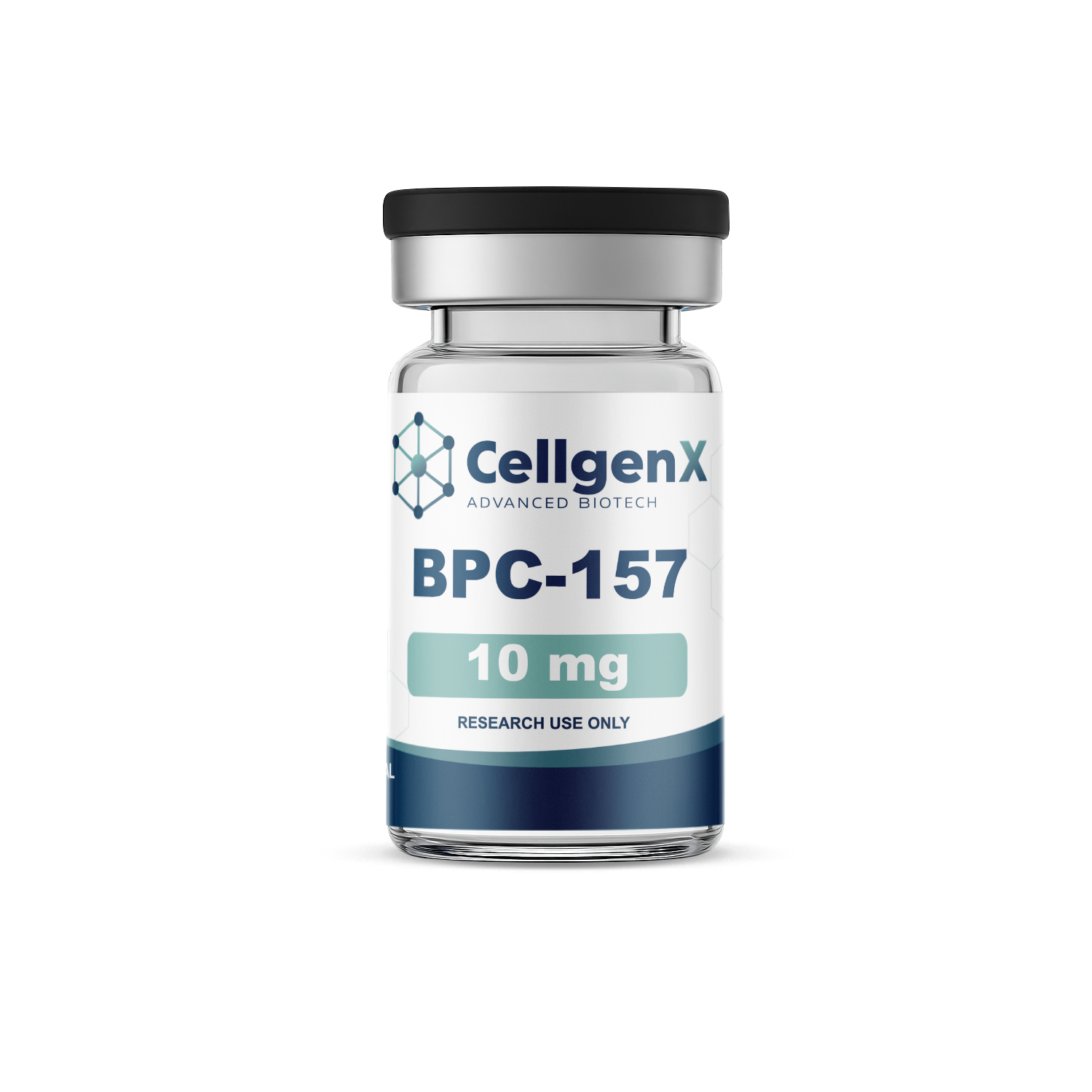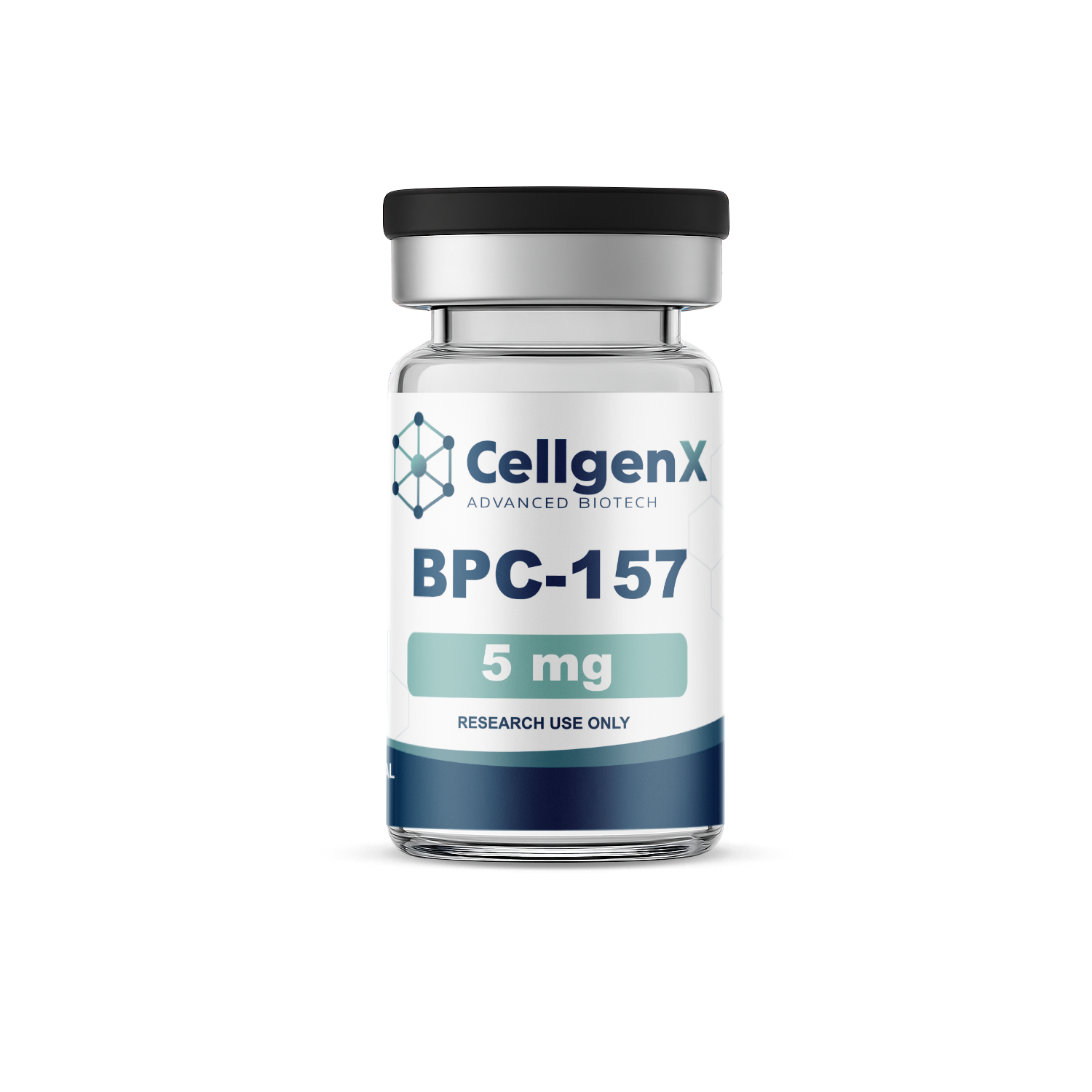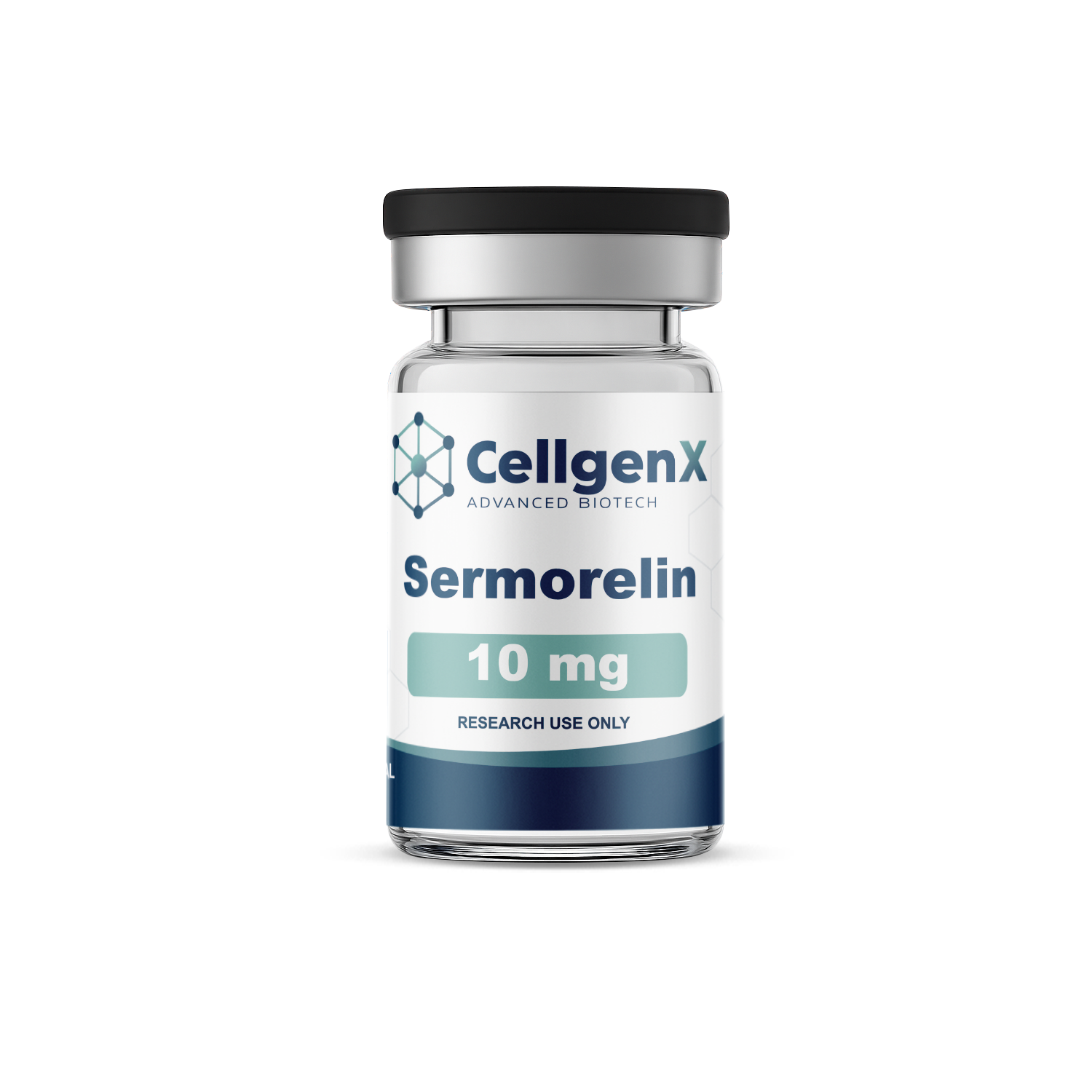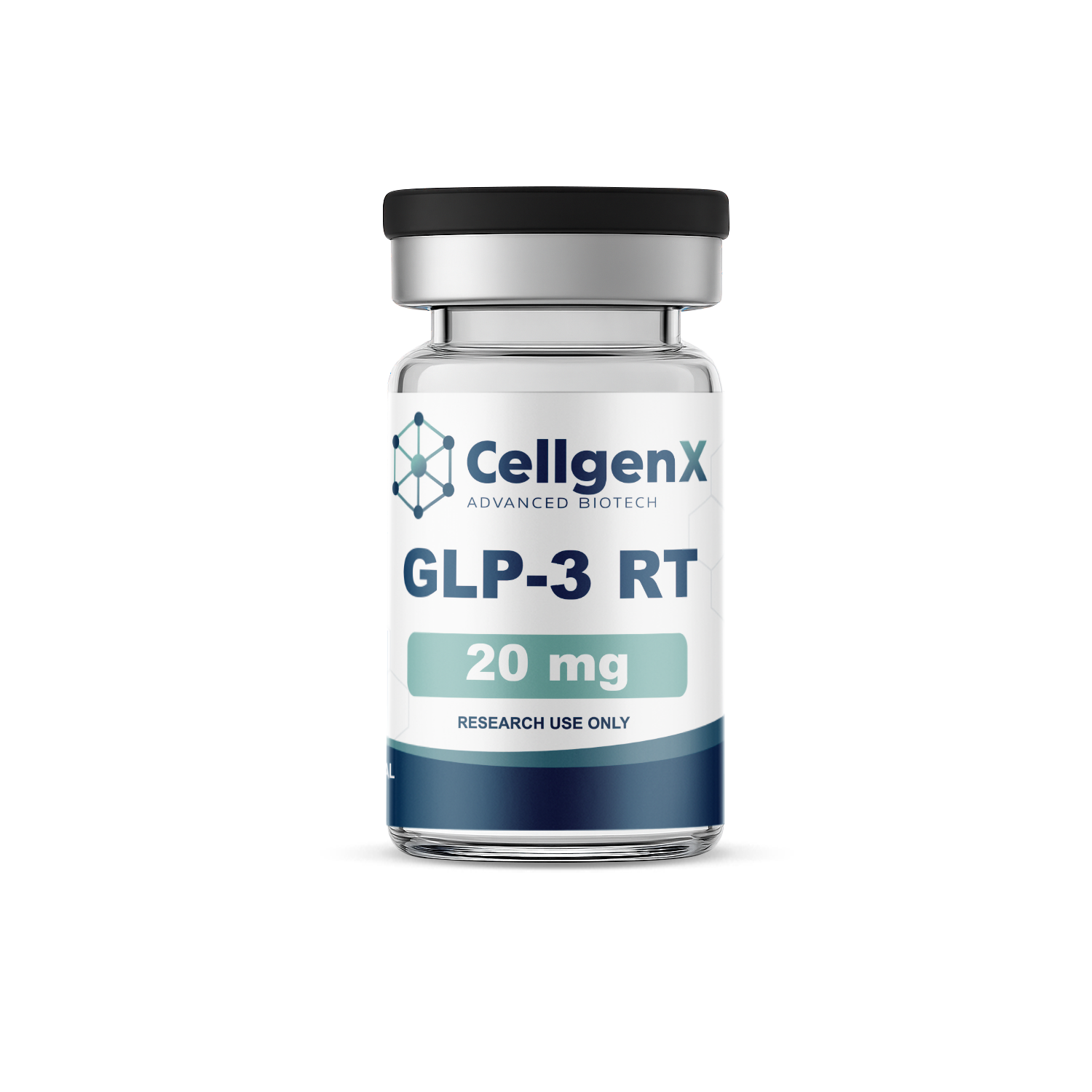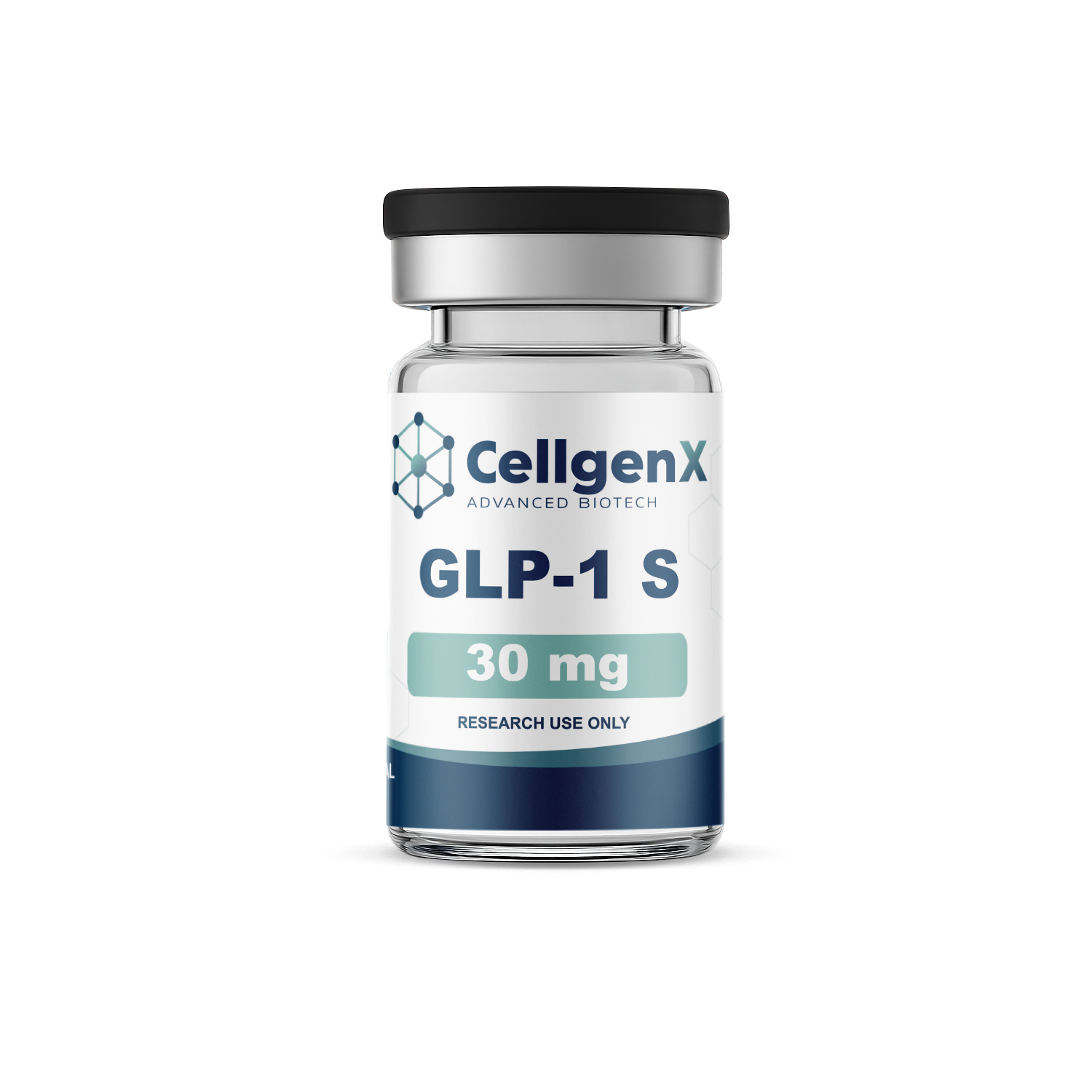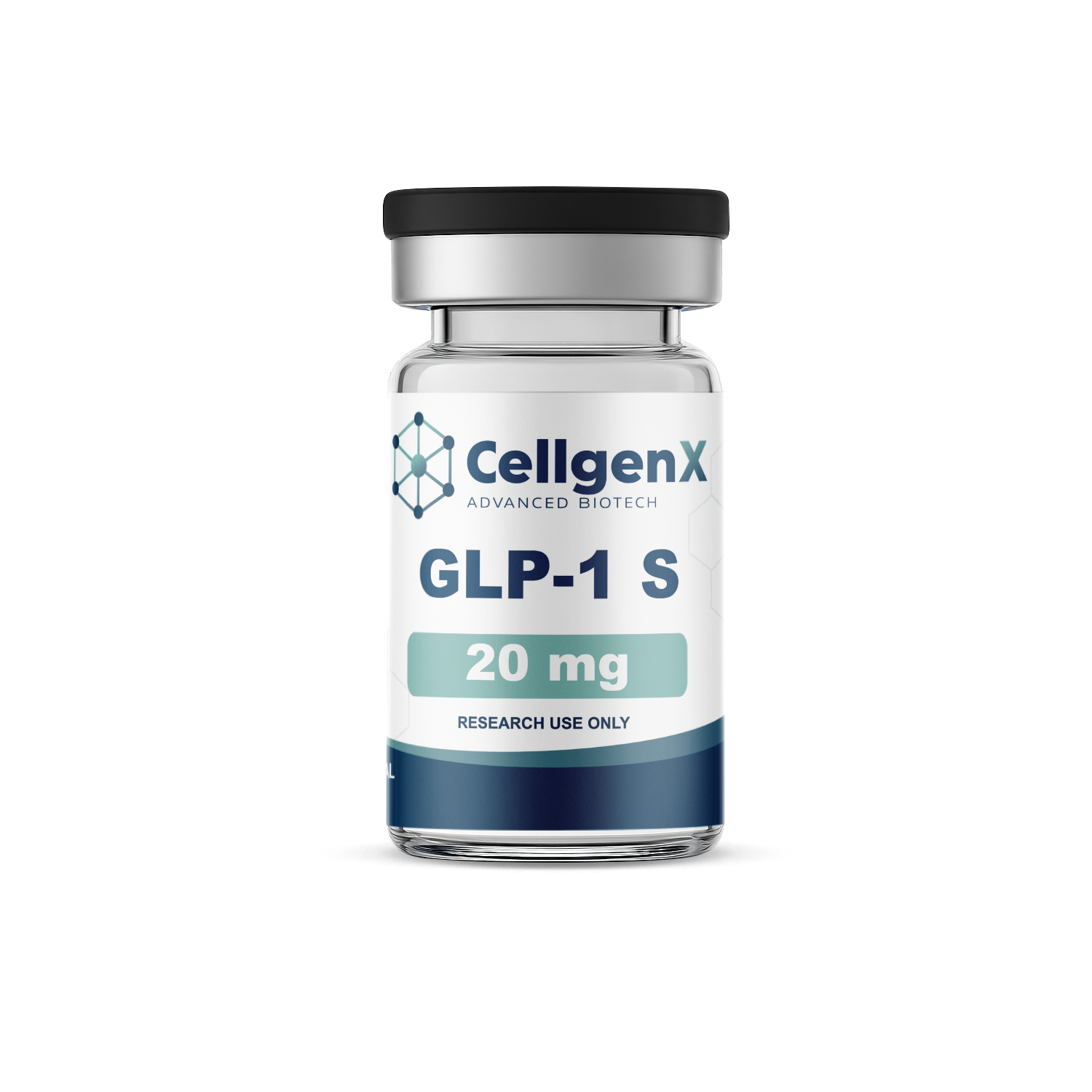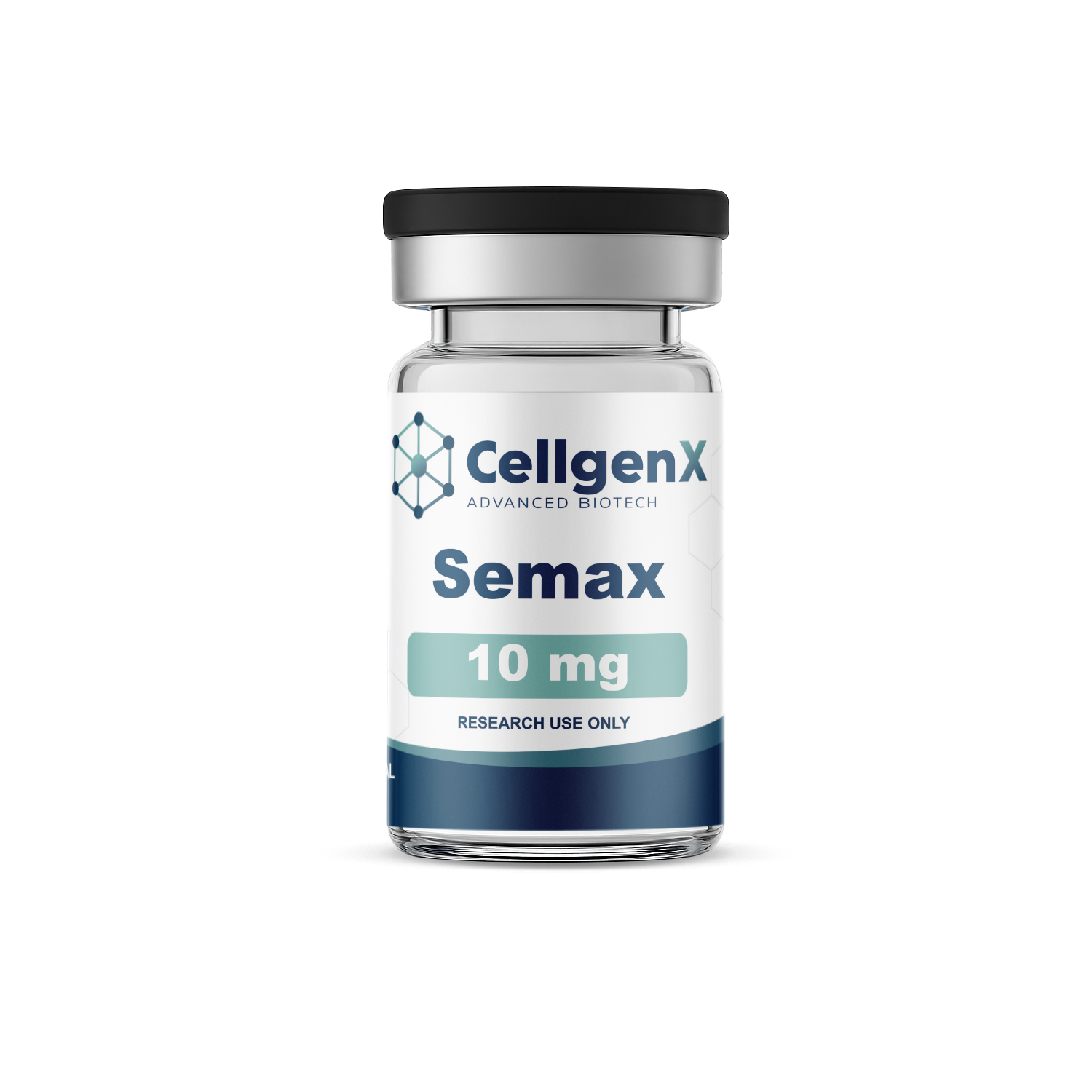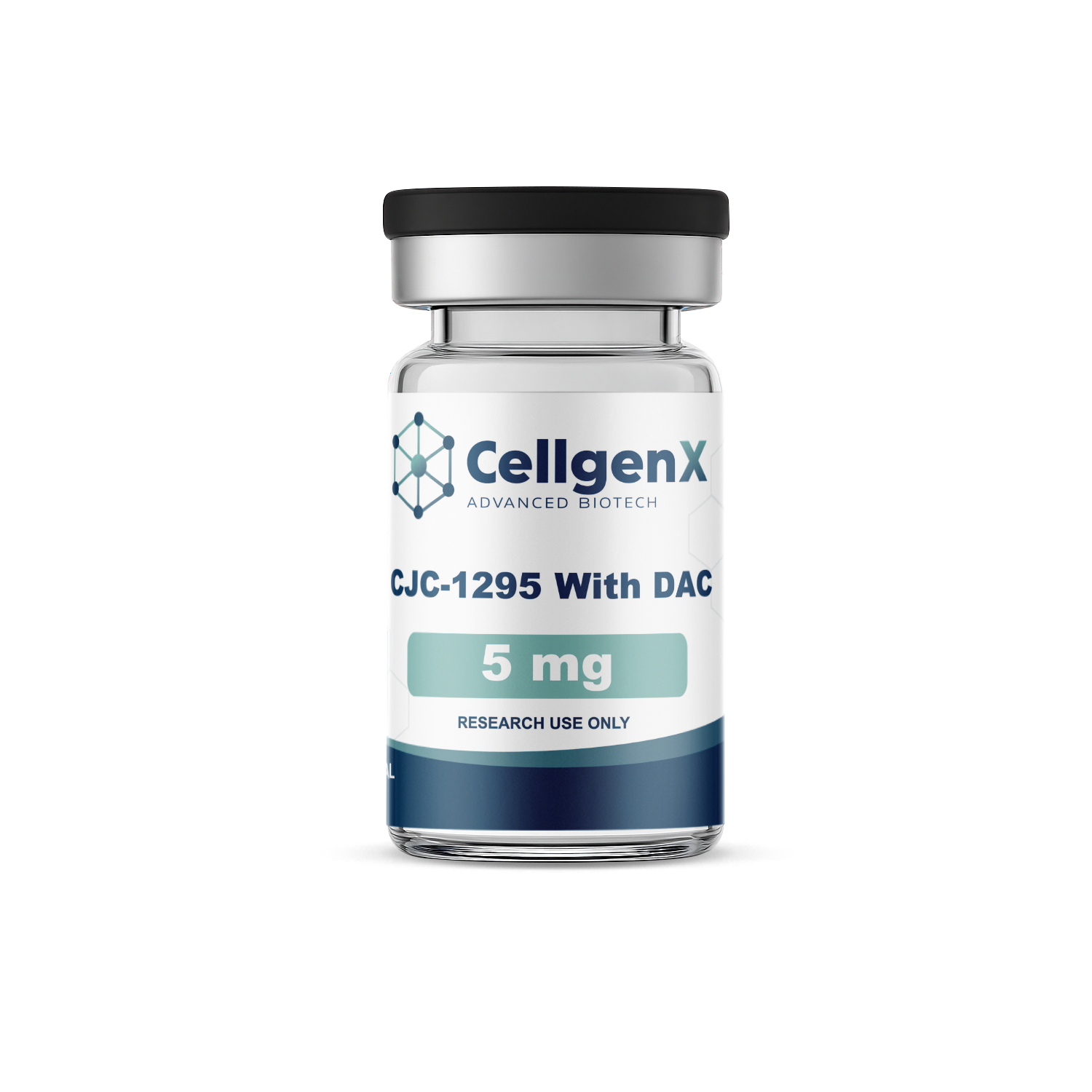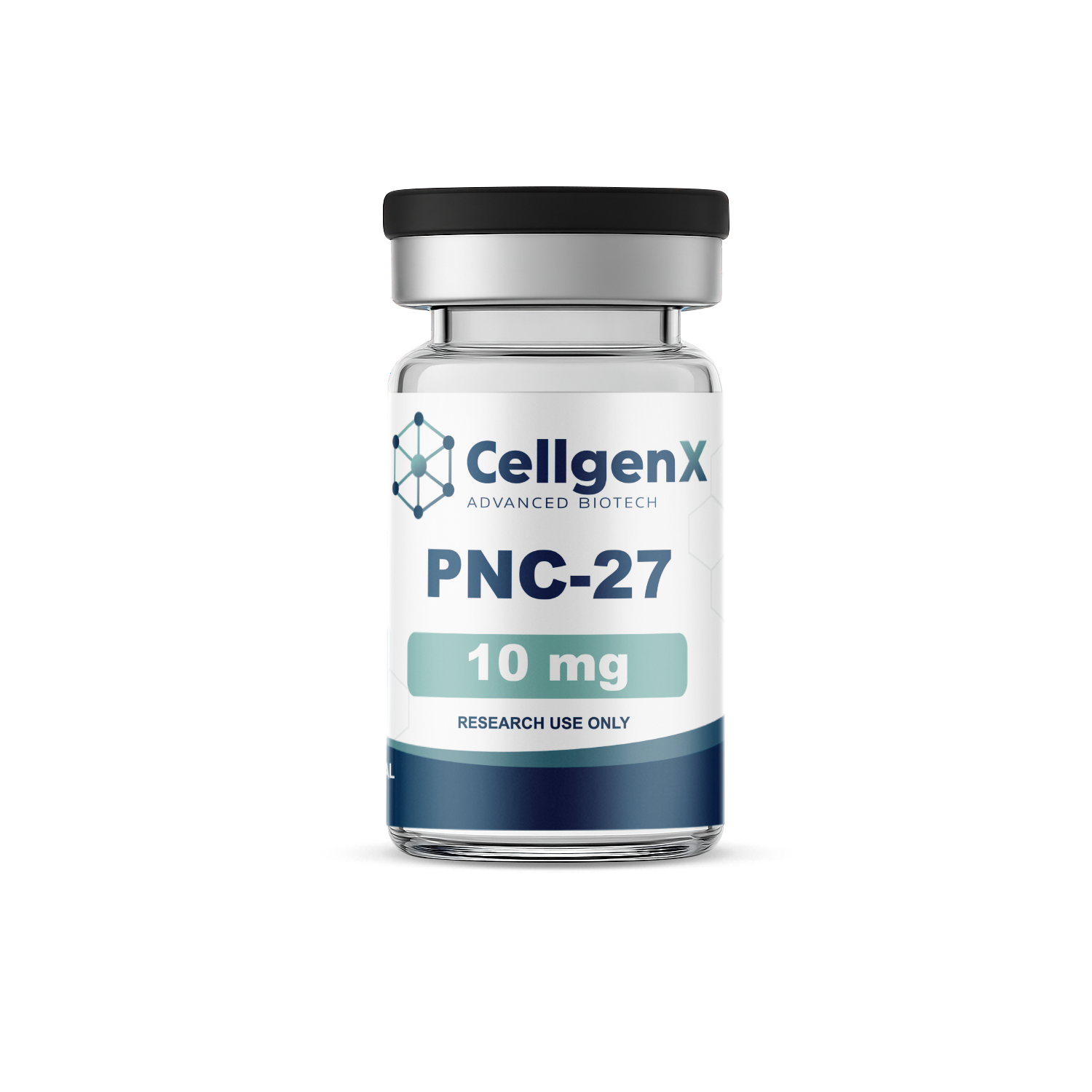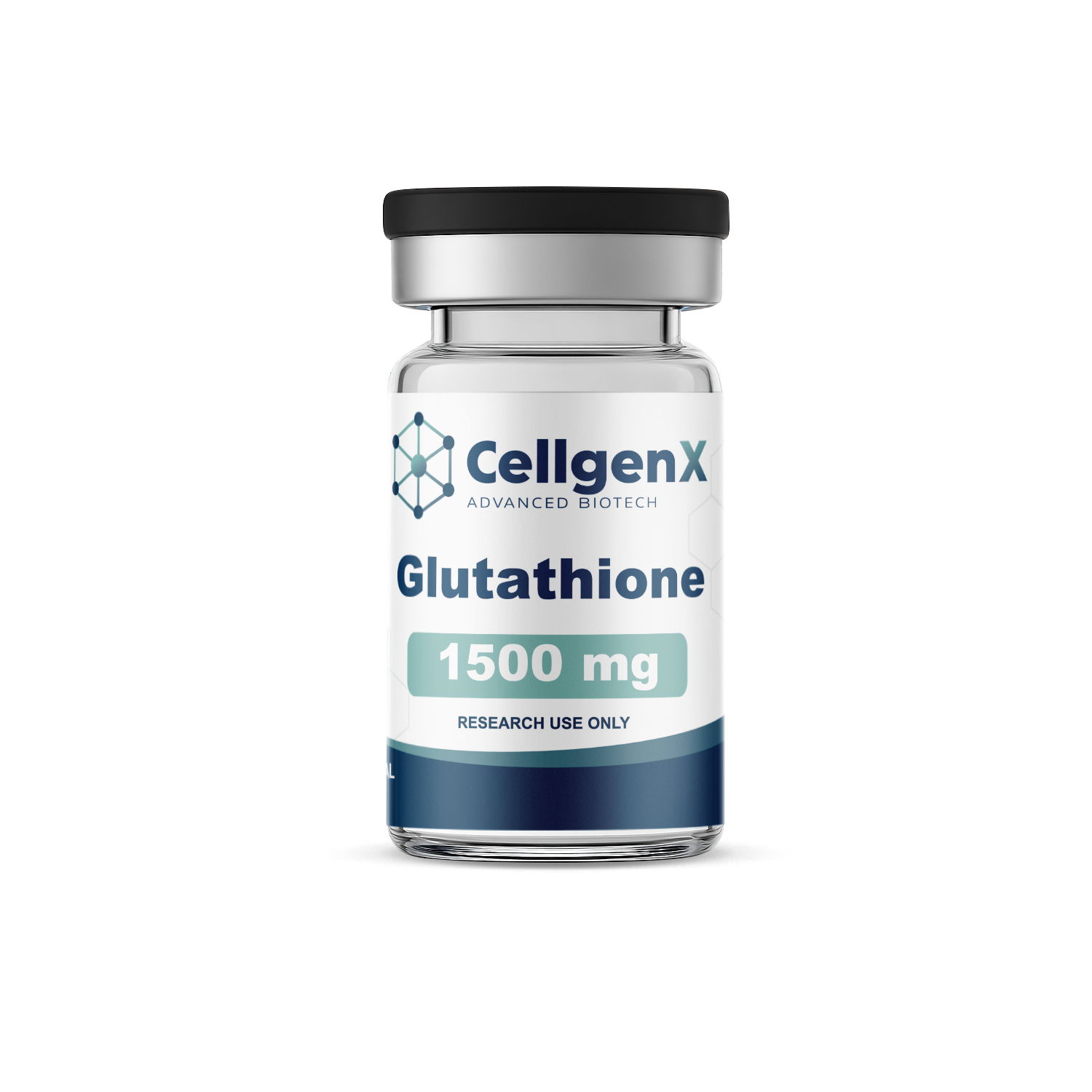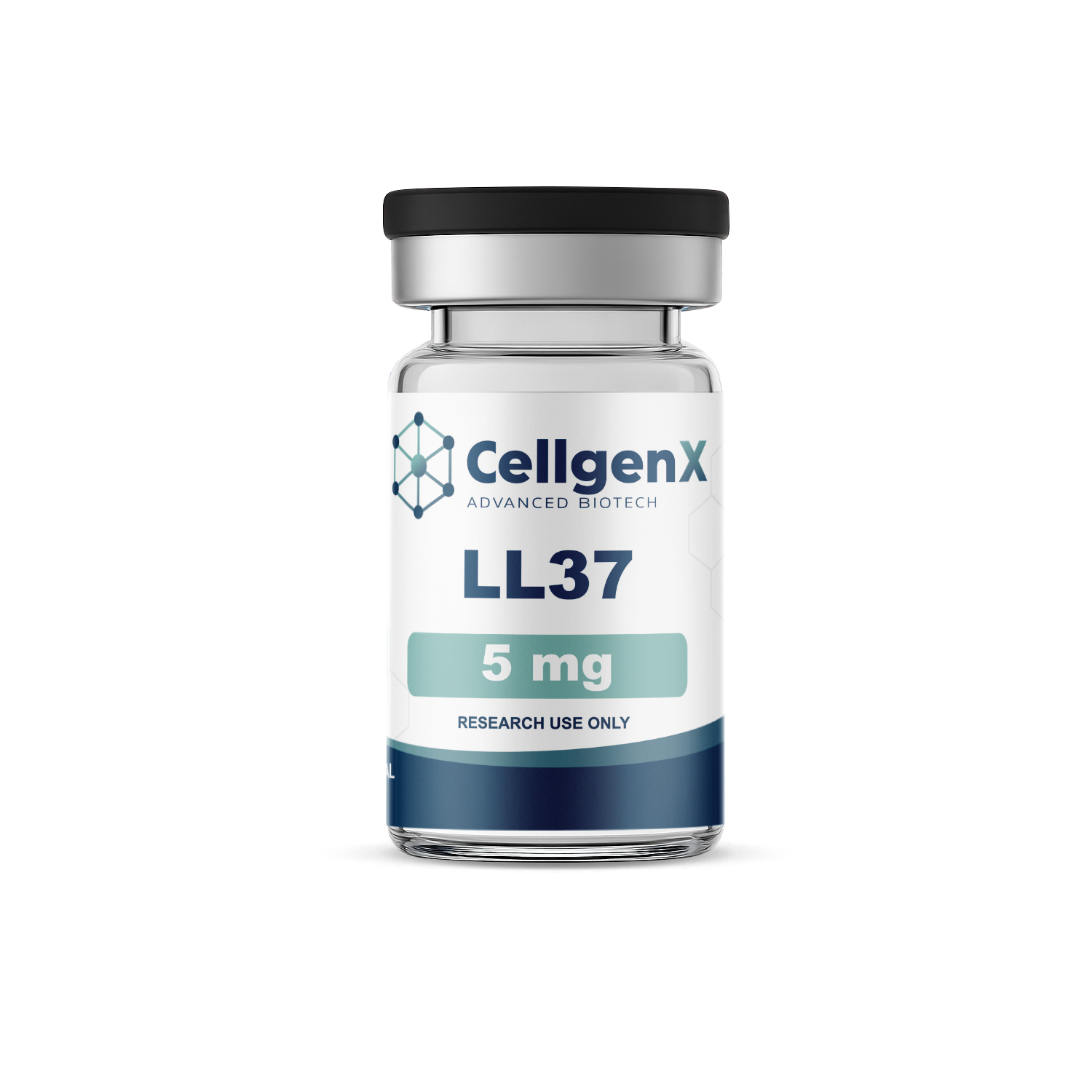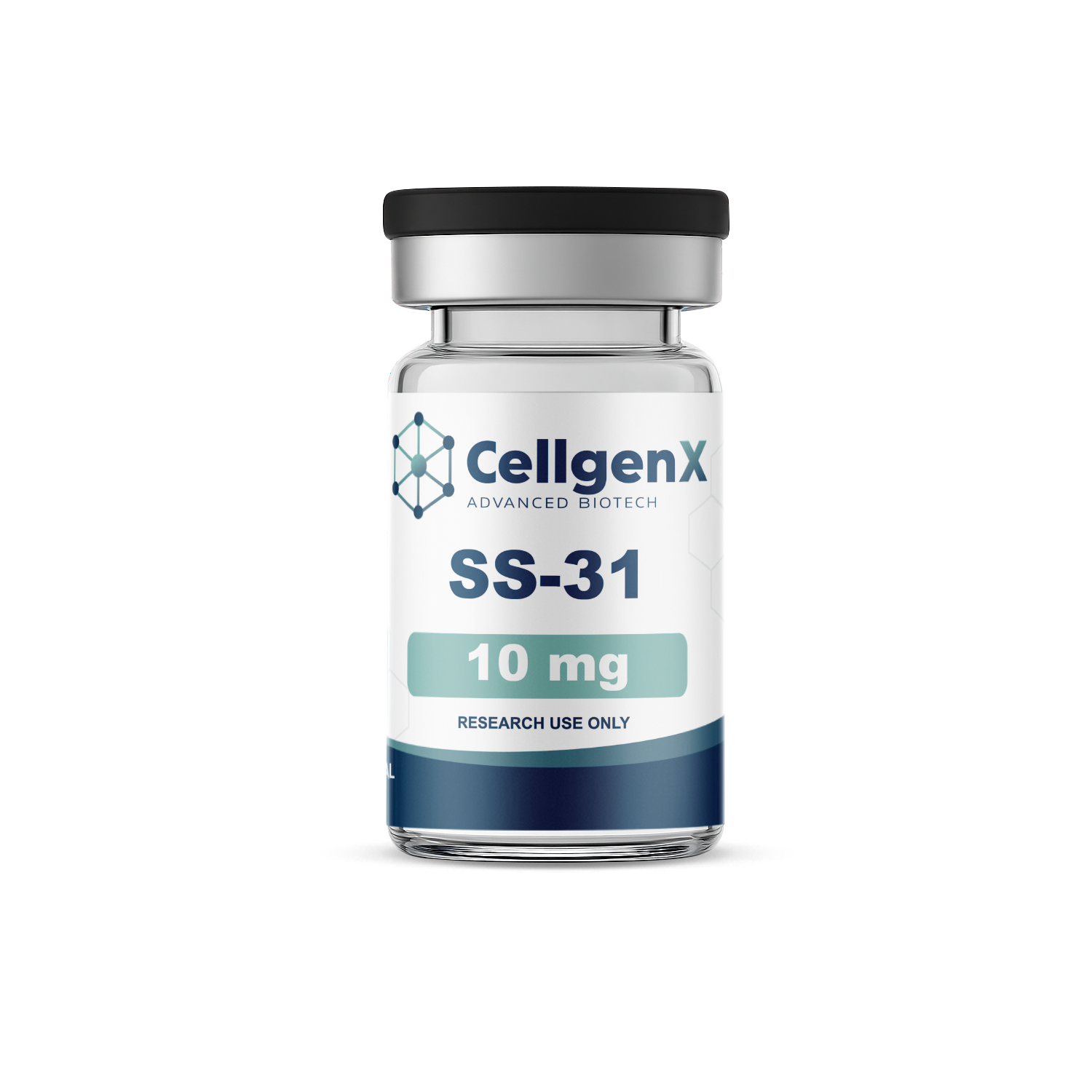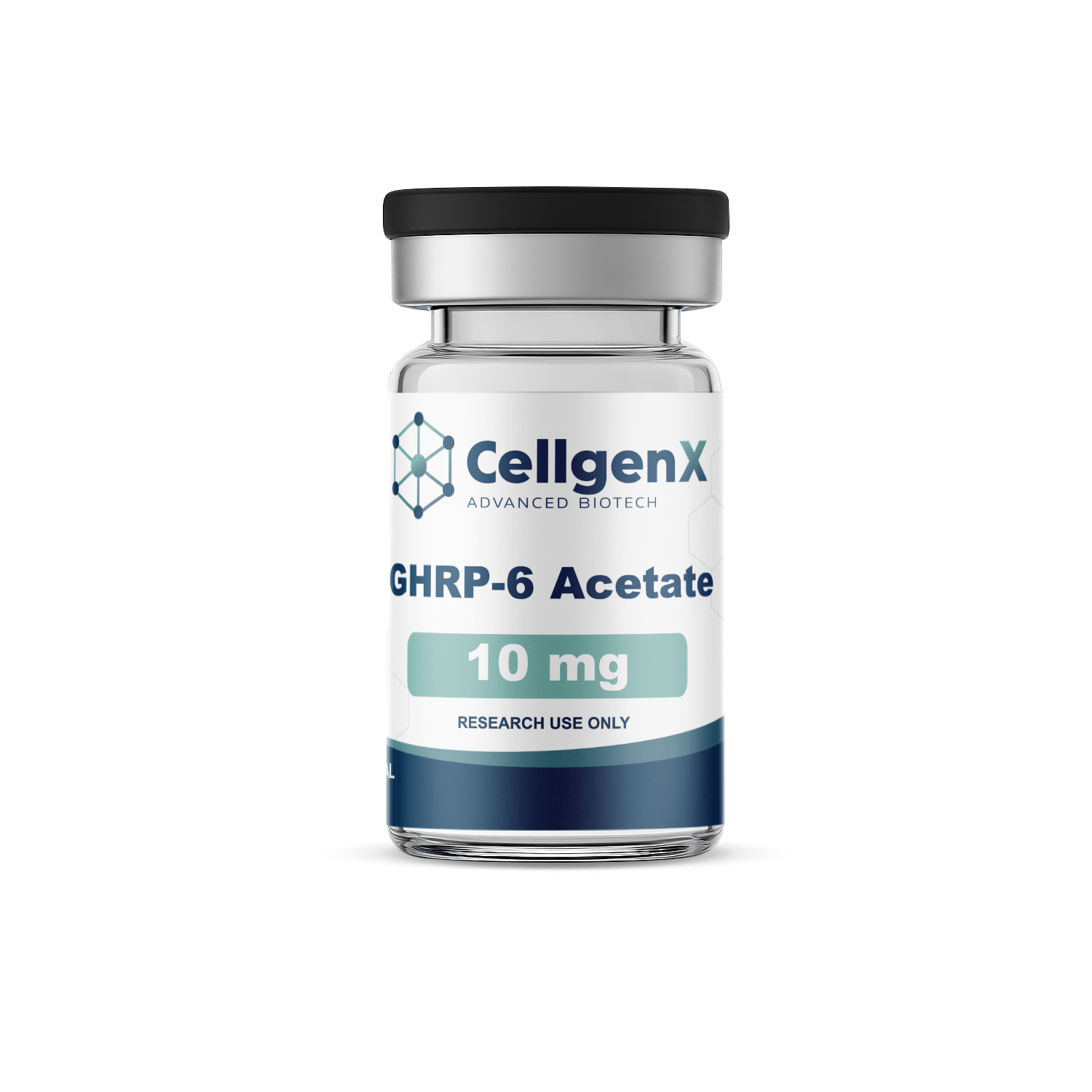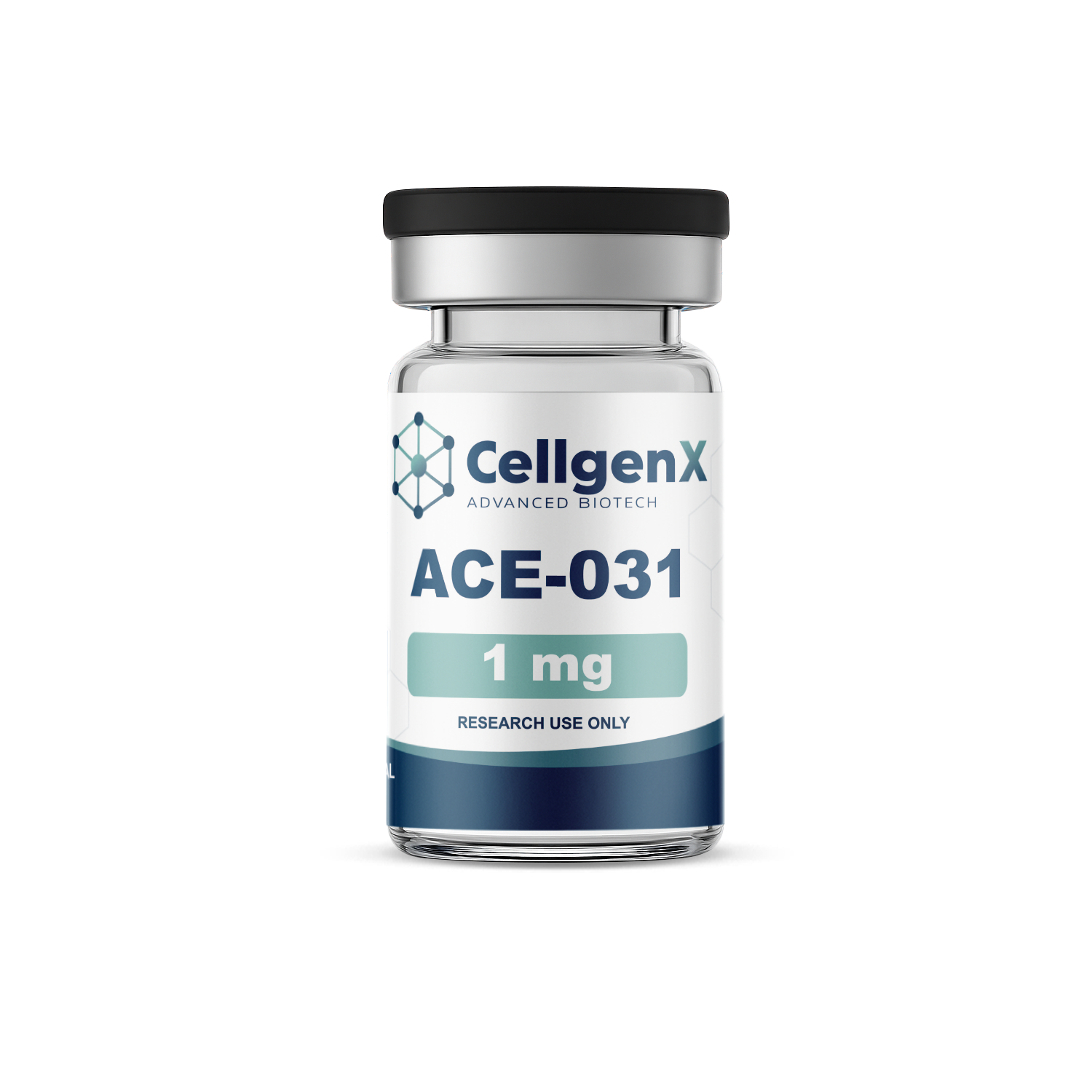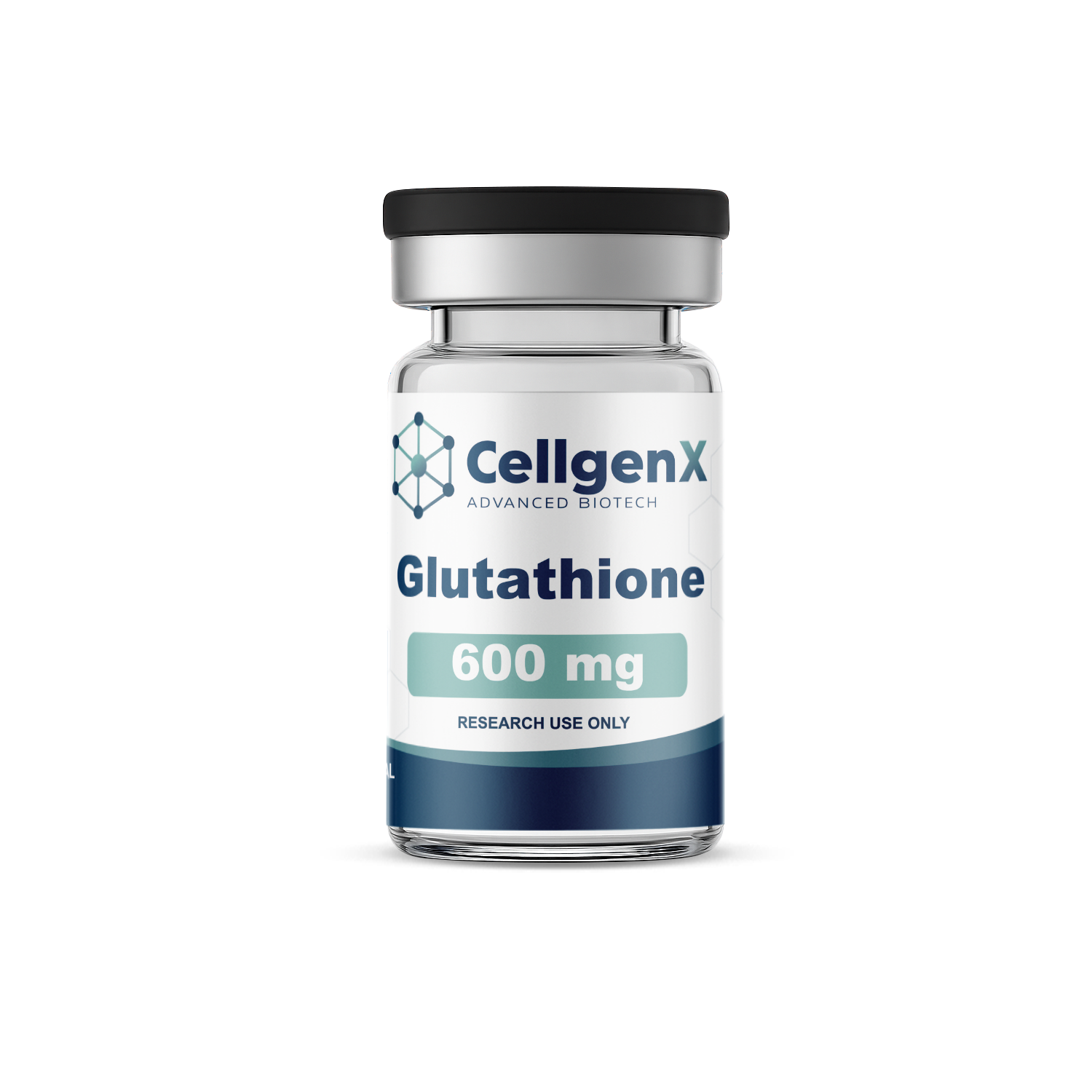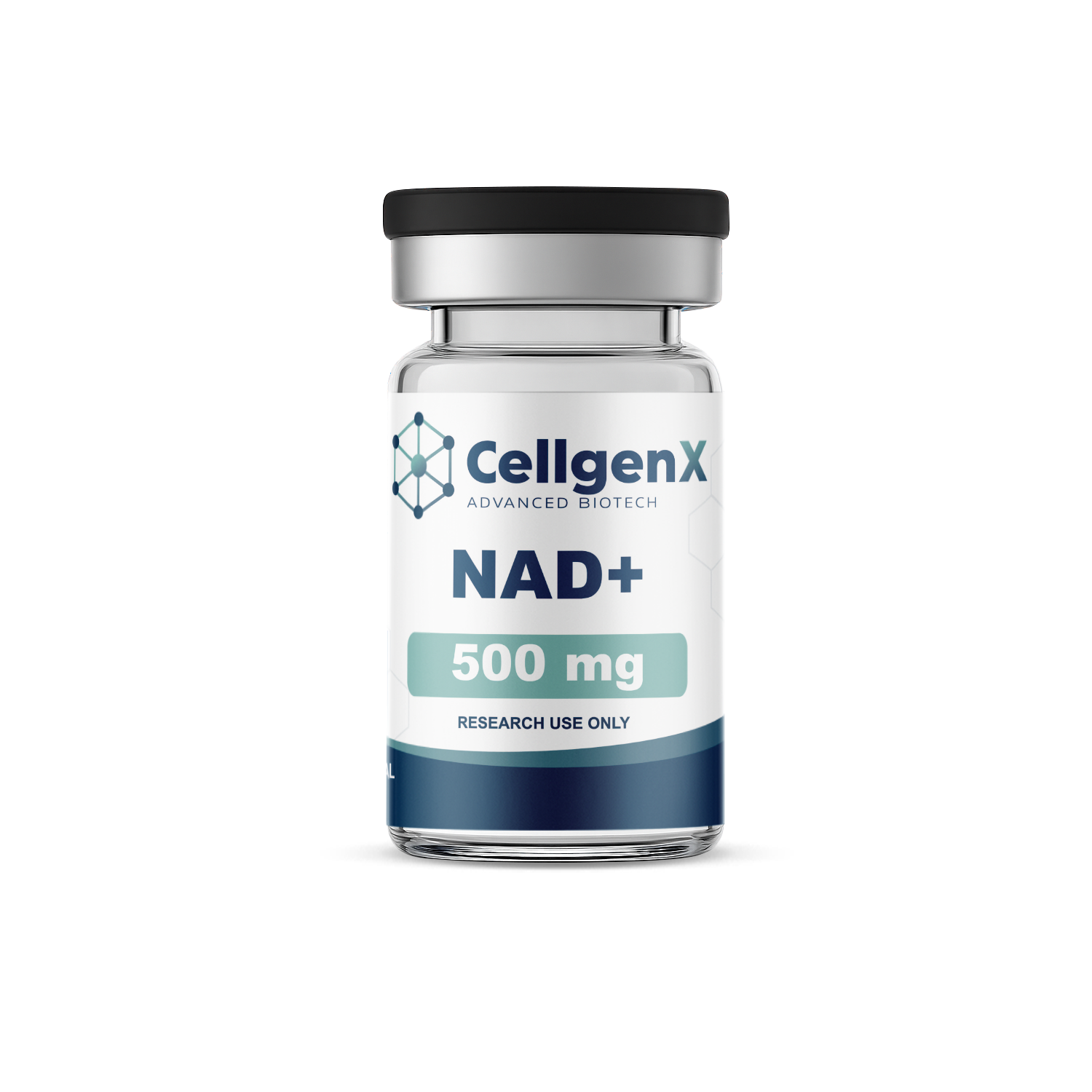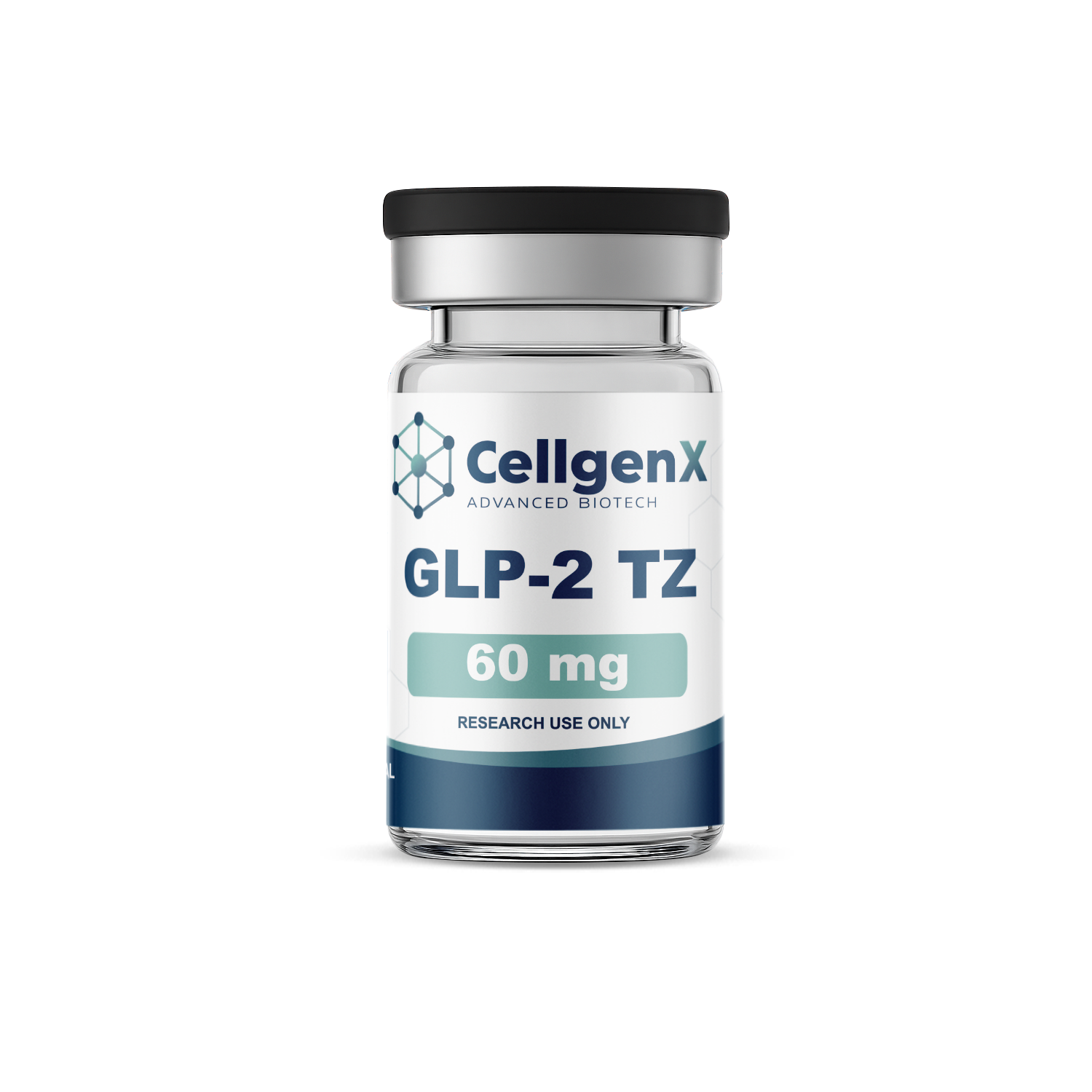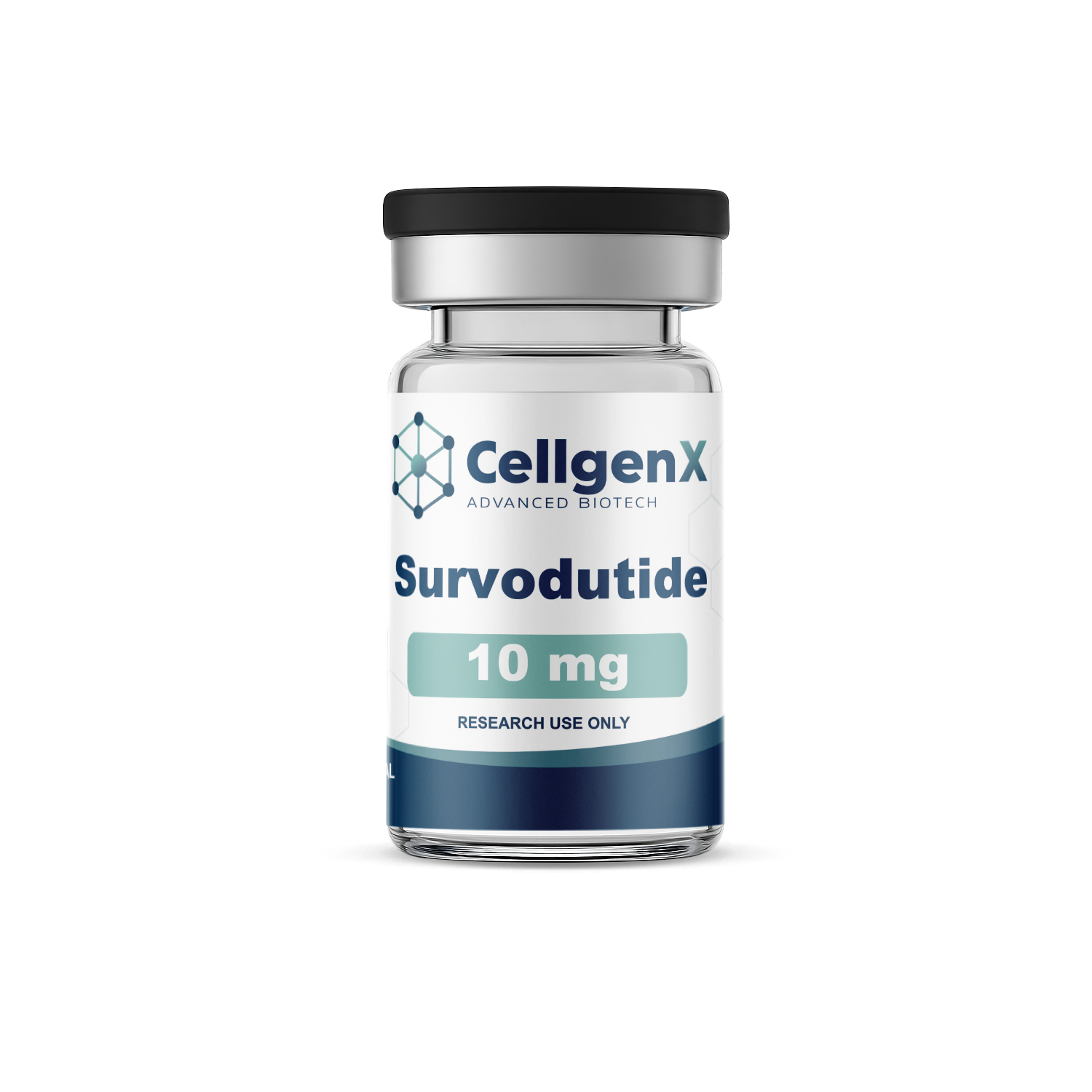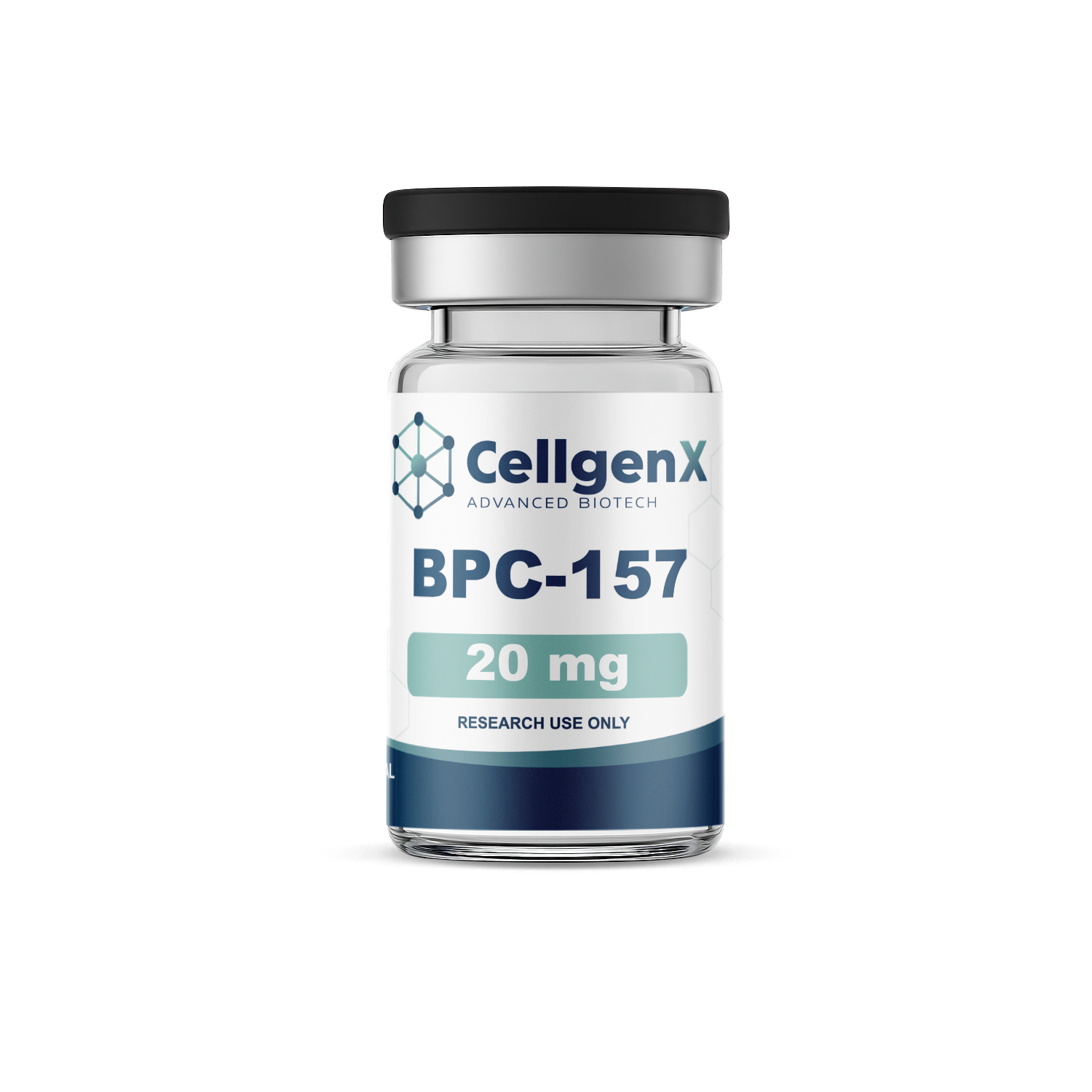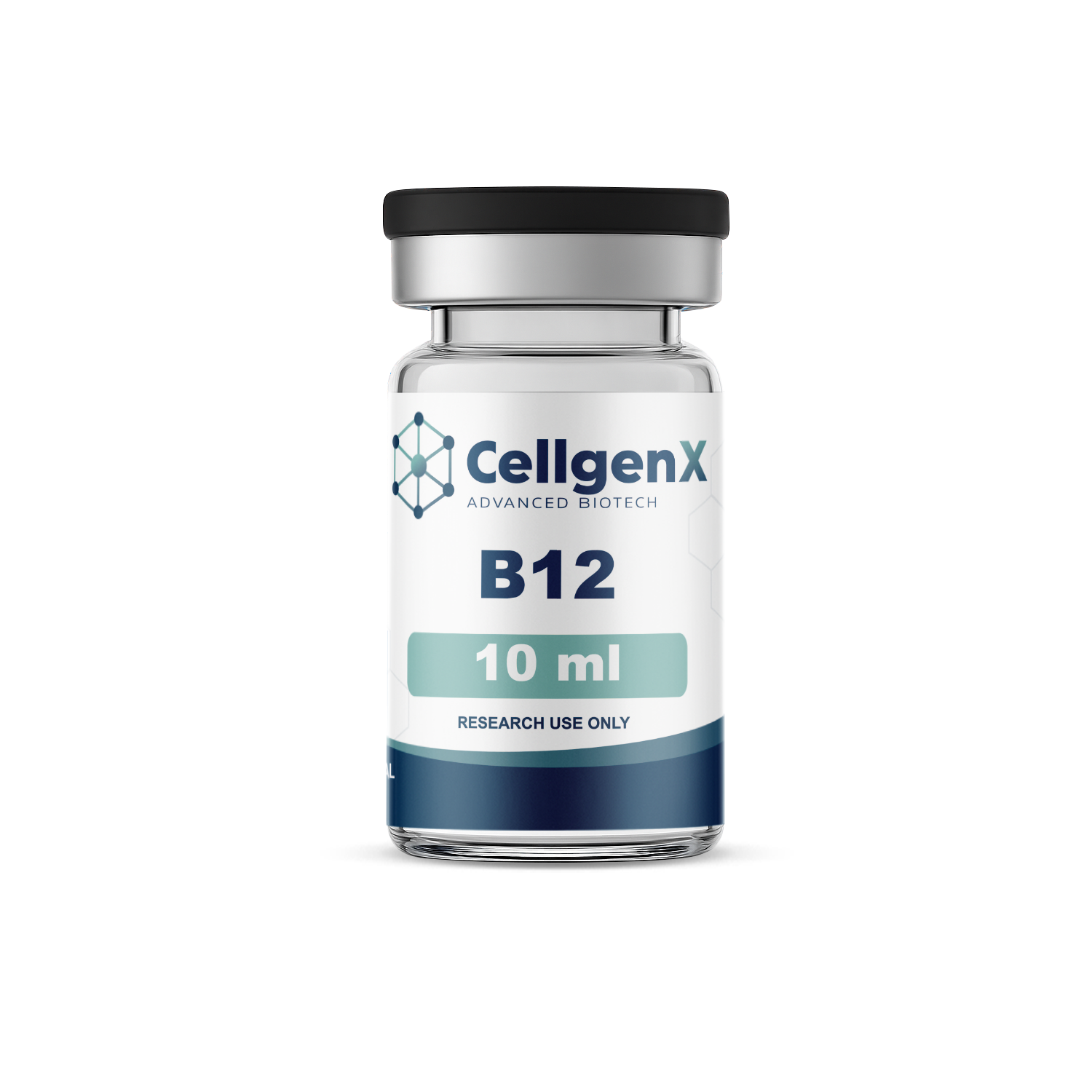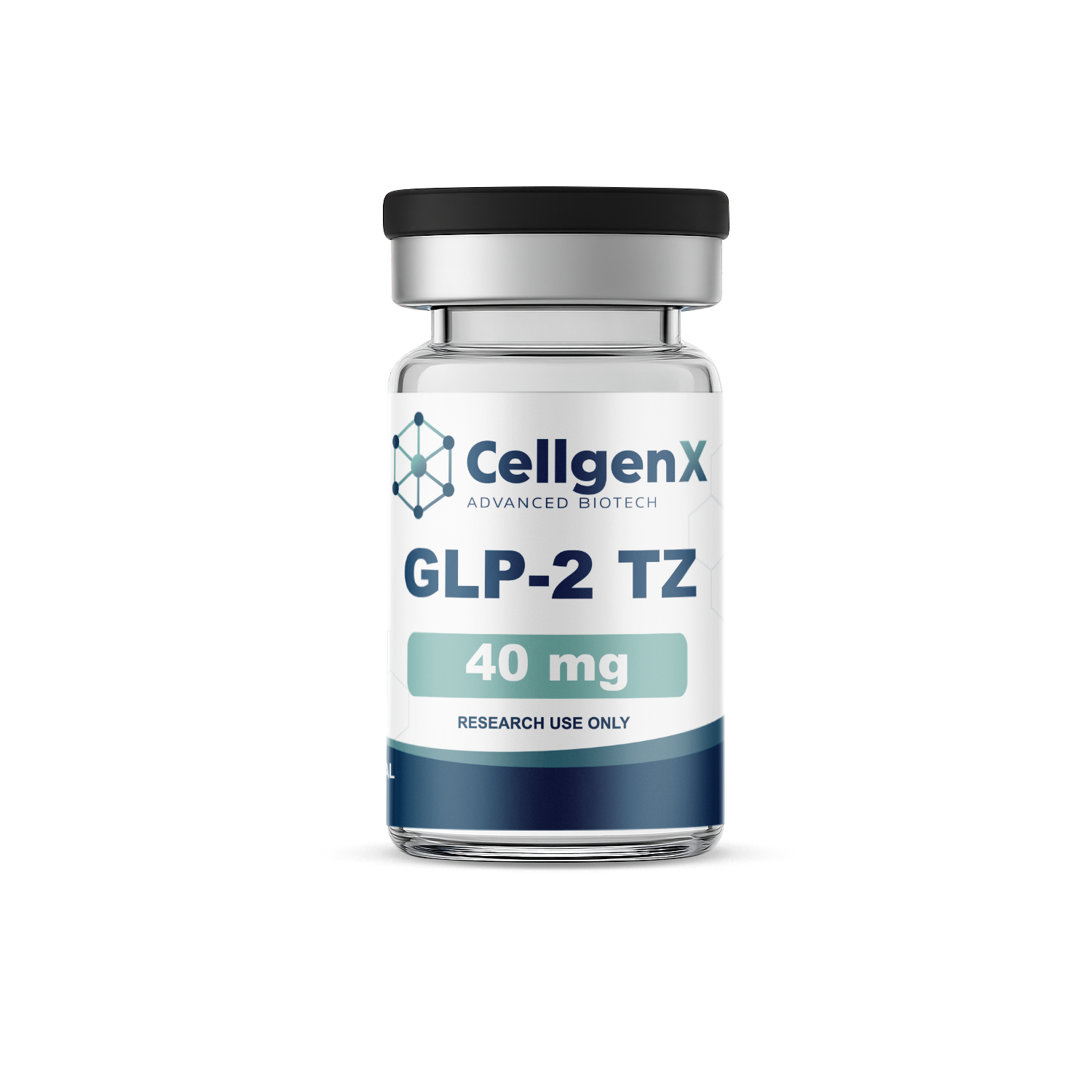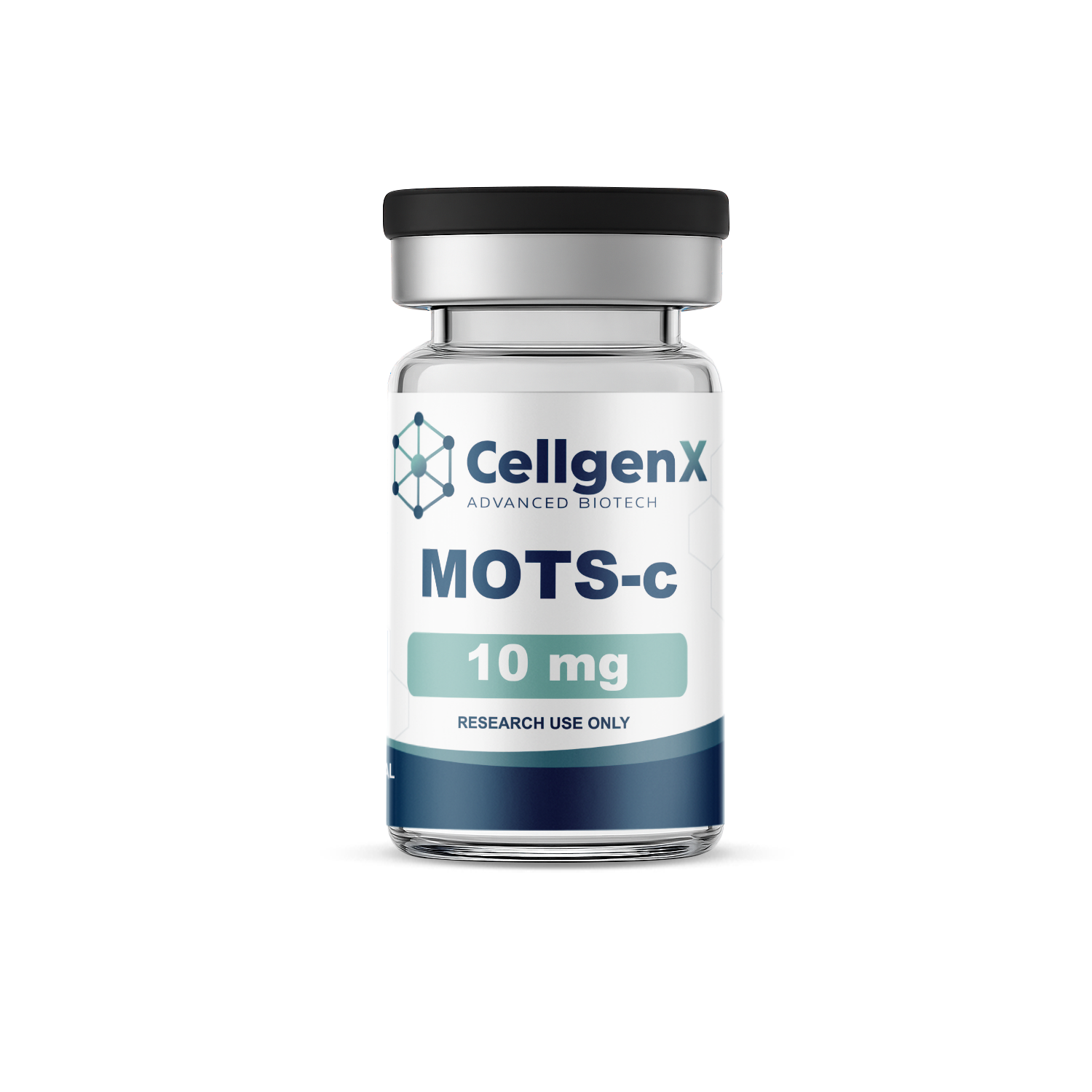
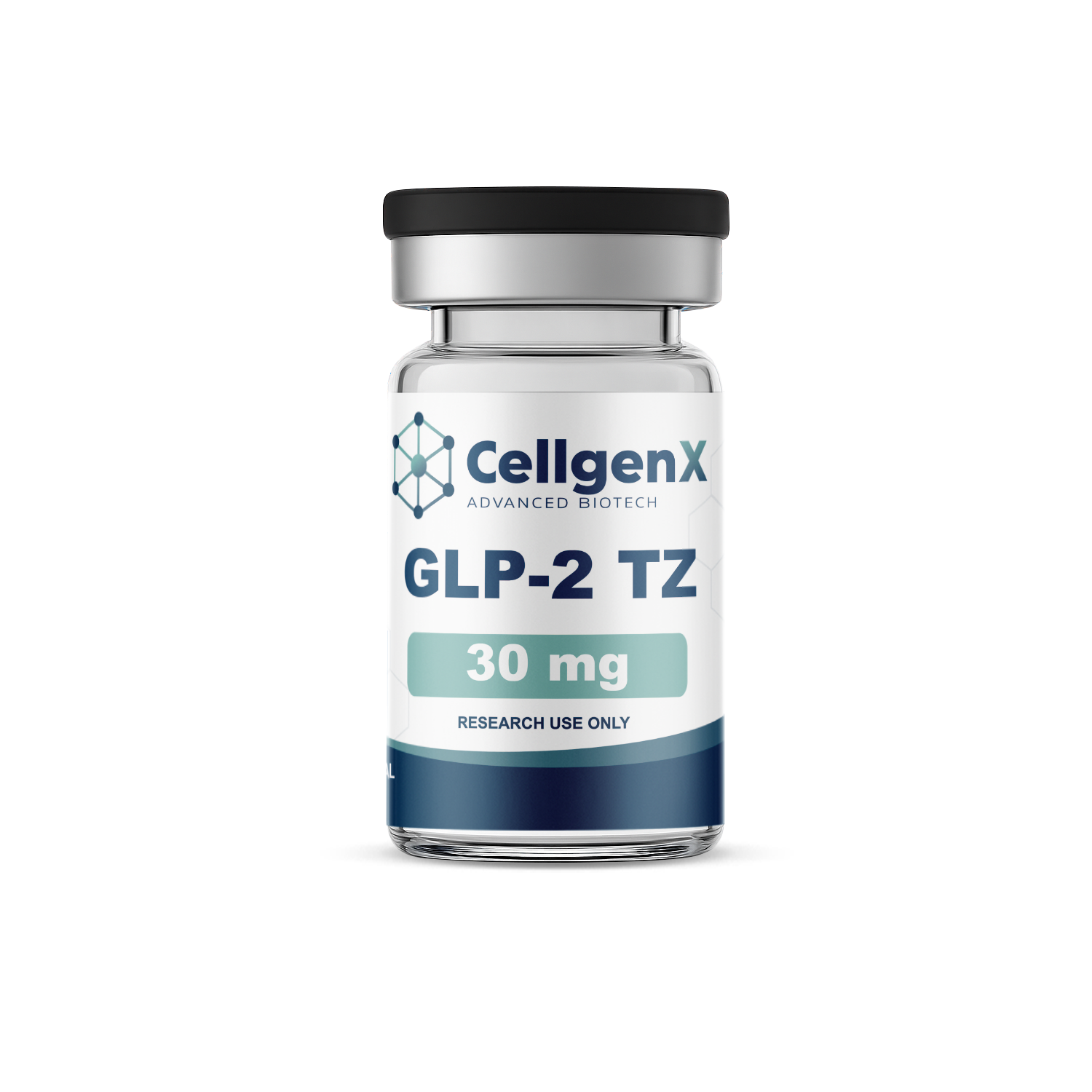
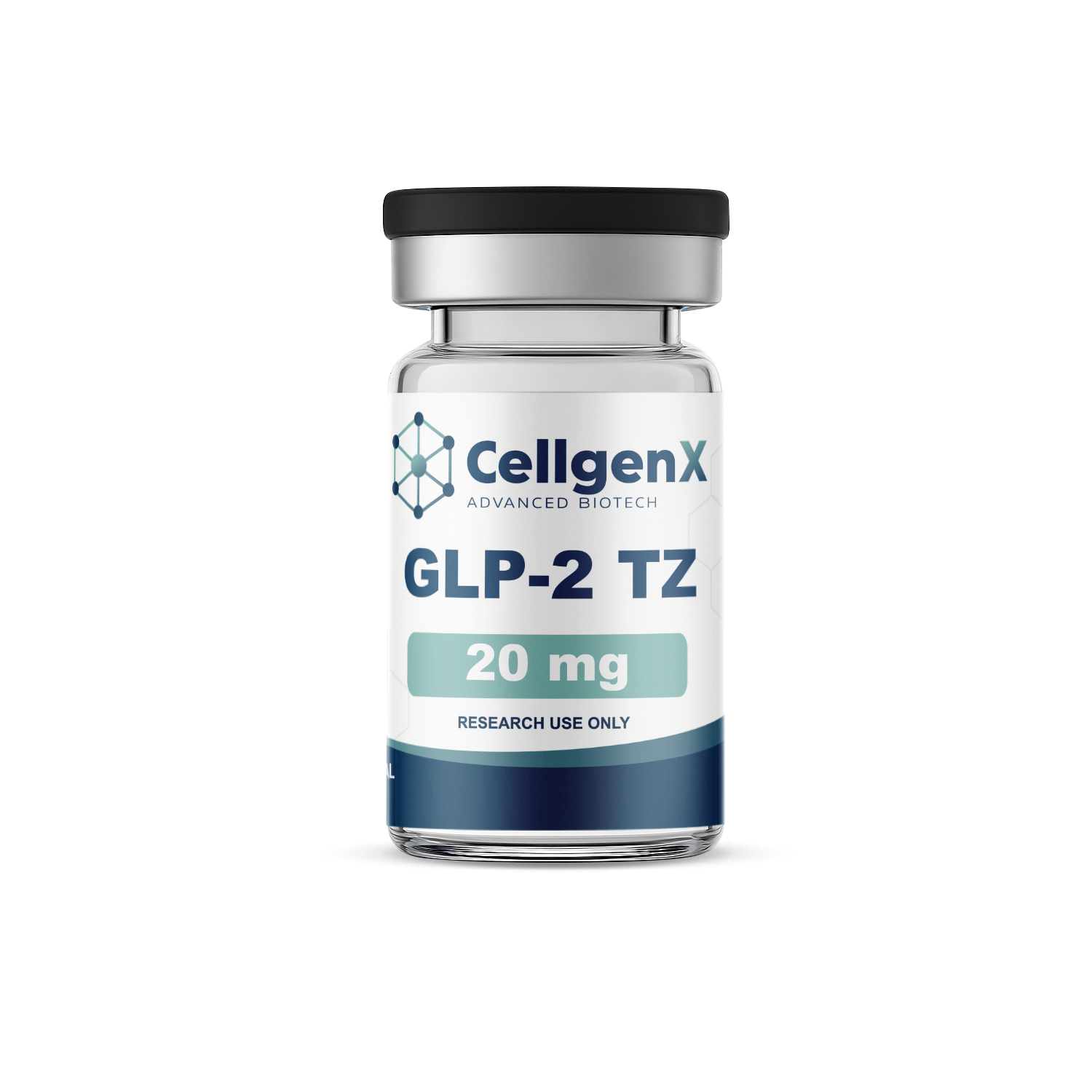
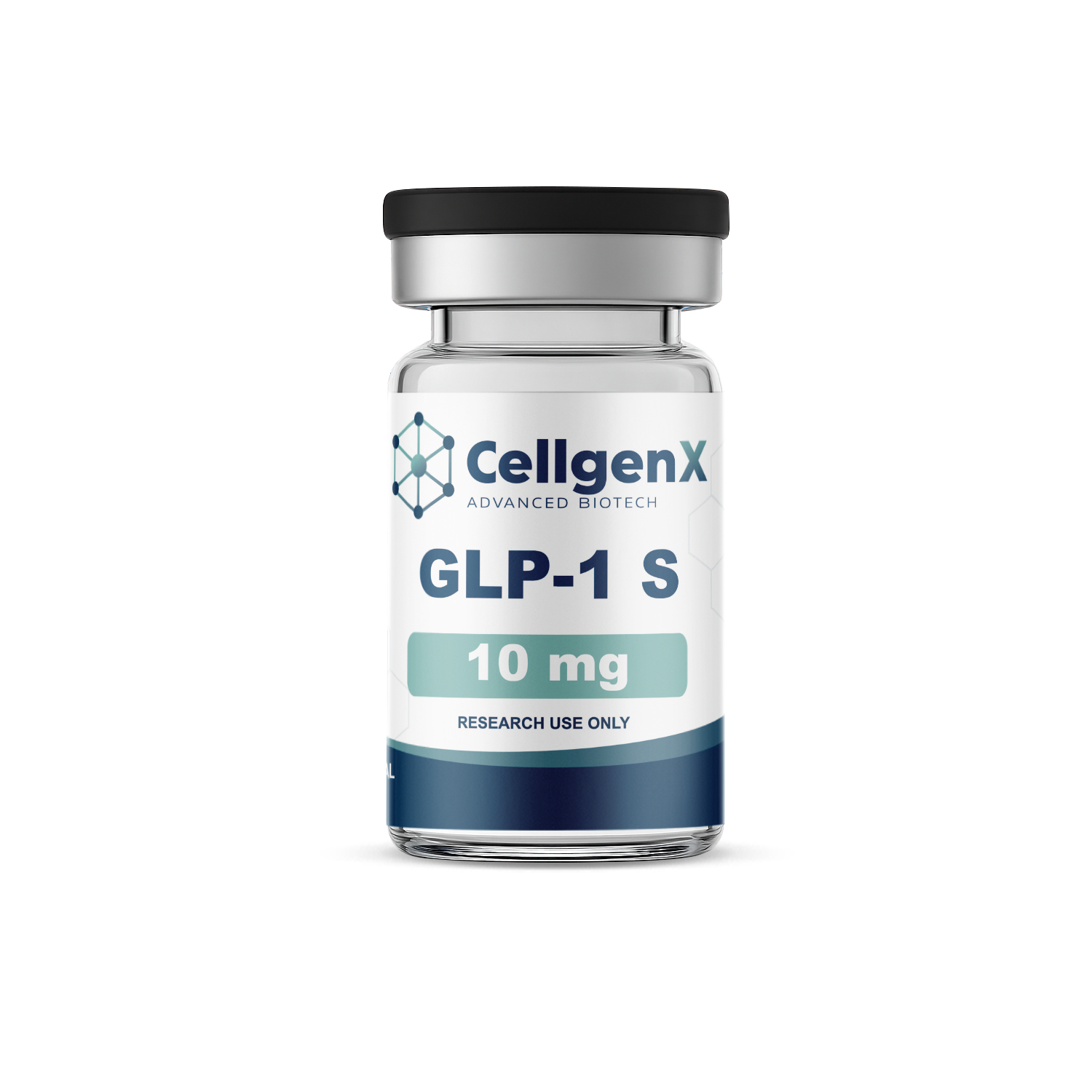
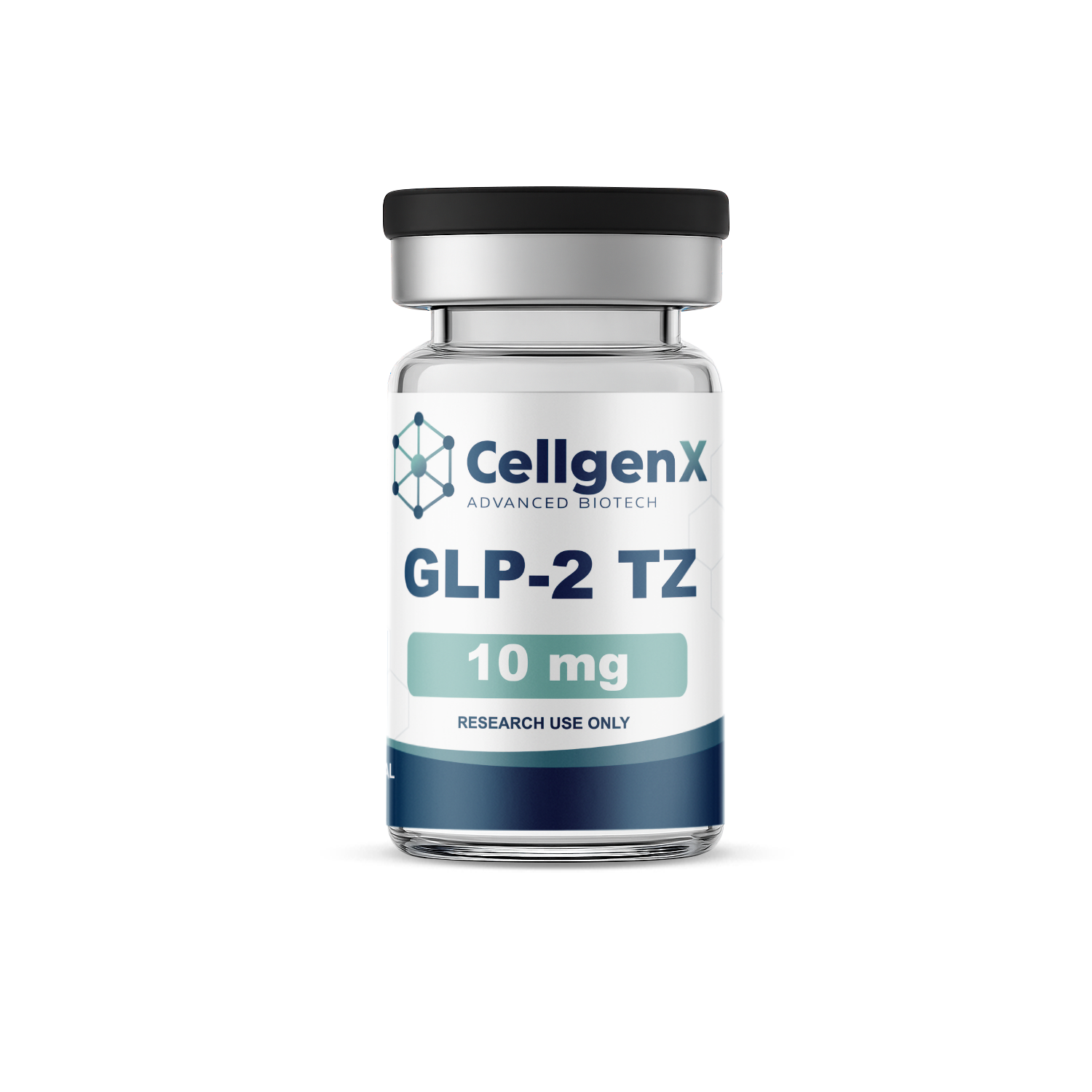

Receiving research materials begins before opening a container. A clear record helps you check what arrived, match it to the order and locate the instructions corresponding to the reference received.
Consult the specific instructions
Peptide handling guides distinguish between lyophilized material and material in solution, and indicate that conditions depend on the product. General advice does not replace the manufacturer's instructions for the specific reference. Reference: Thermo Fisher Scientific handling and storage instructions for standard peptides.
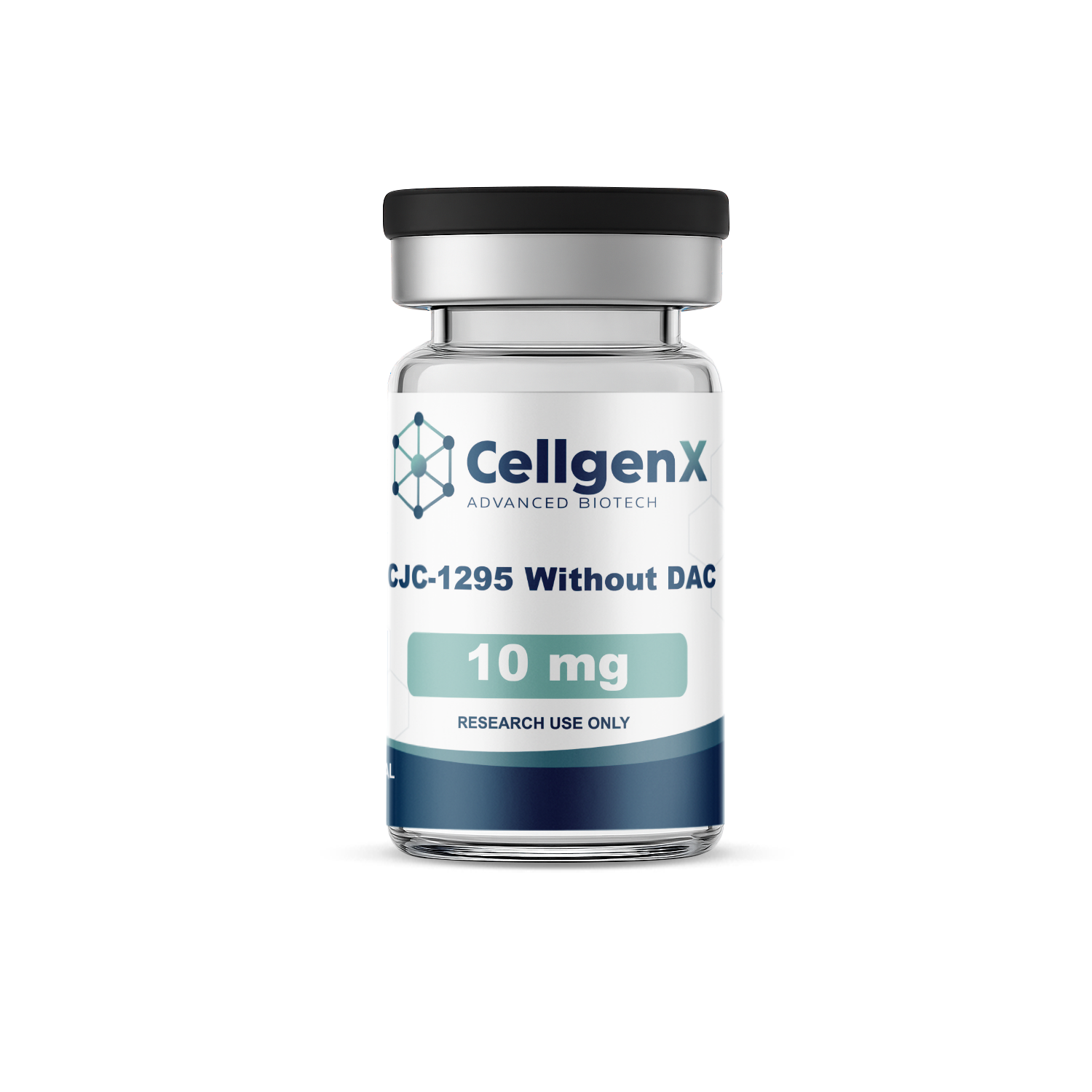
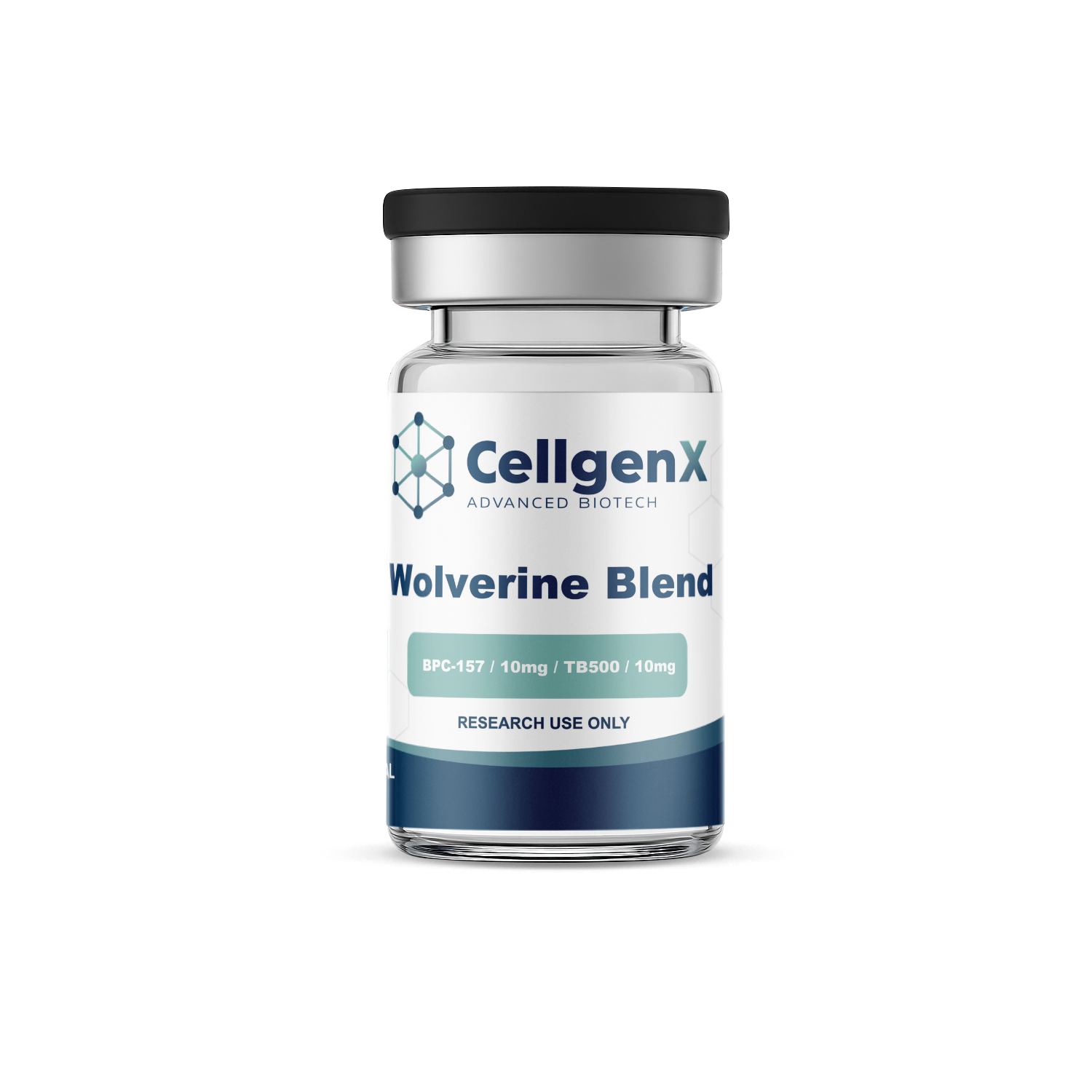
Do not infer a temperature, shelf life or procedure from a vial photograph. If these details are not stated in the listing or documentation received, request confirmation from the supplier before deciding on storage.
A brief receiving record
- Receipt date and responsible person.
- Name, format, reference and batch, when stated.
- Visible container condition and correspondence with the order.
- Documents and instructions received.
- Assigned location according to laboratory procedures.
If you notice an unreadable label, an order discrepancy or visible damage, document the finding and report the issue before adding the material to the routine. A container photograph can accompany the record along with the order number.
Document changes
When a material's location changes or an operation required by the protocol is performed, record the date and responsible person according to the laboratory's system. The record should allow the material's history to be reconstructed without relying on the team's memory.
Questions for CellgenX
To clarify a detail about a CellgenX reference, send its name, SKU and your specific question through Contact. This article concerns laboratory organization and does not include preparation instructions or guidance for human or veterinary use.