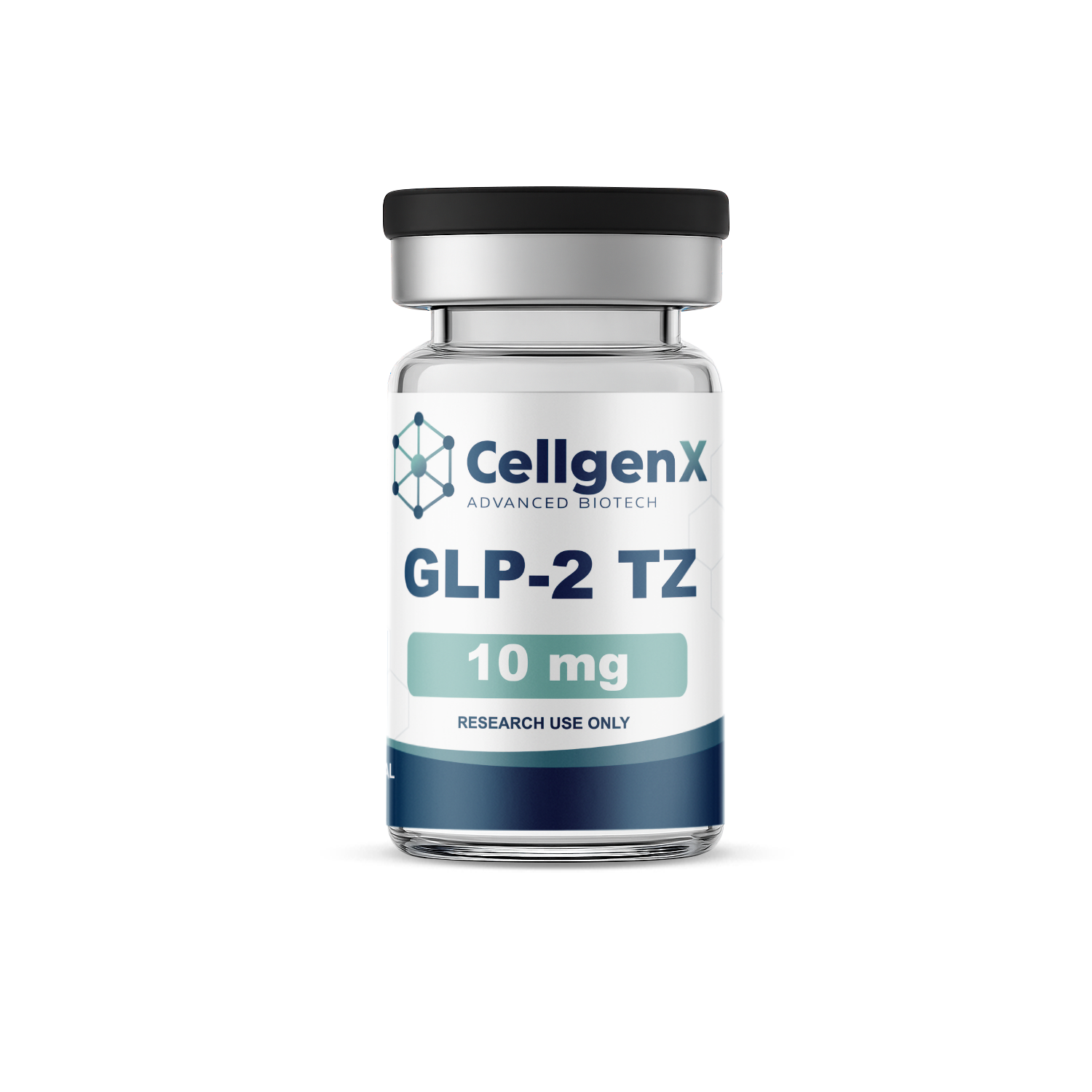

A certificate of analysis, also called a CoA, should be read as documentation specific to the material it describes. Its usefulness depends on linking the document to a sample or batch and understanding what was measured.
Start with identification
Check the material's name, reference, batch and document date. If any detail does not match the label or receiving documentation, record the discrepancy and request clarification. A document for another batch does not automatically resolve that discrepancy.
Distinguish results, methods and limits
Read each result alongside its unit and the method used. Separate sample results from limits or acceptance criteria. If abbreviated terms appear, request their definitions before copying them into an internal record.
Metrological traceability relates a measurement result to references through a documented chain of calibrations. It is not a characteristic that can be assumed merely because a document is called a certificate. Source: NIST, metrological traceability.
Questions to record in writing
- Does the document identify the same batch as the material received?
- Which characteristic does each test measure?
- In which unit is the result expressed?
- Who performed the analysis, and when?
- Are attachments or additional data needed to interpret the result?
Keep the original document rather than replacing it with an isolated screenshot of a value. Link it to the material and selection decision in the laboratory's records. If information is missing, mark it as outstanding instead of filling it in by assumption.
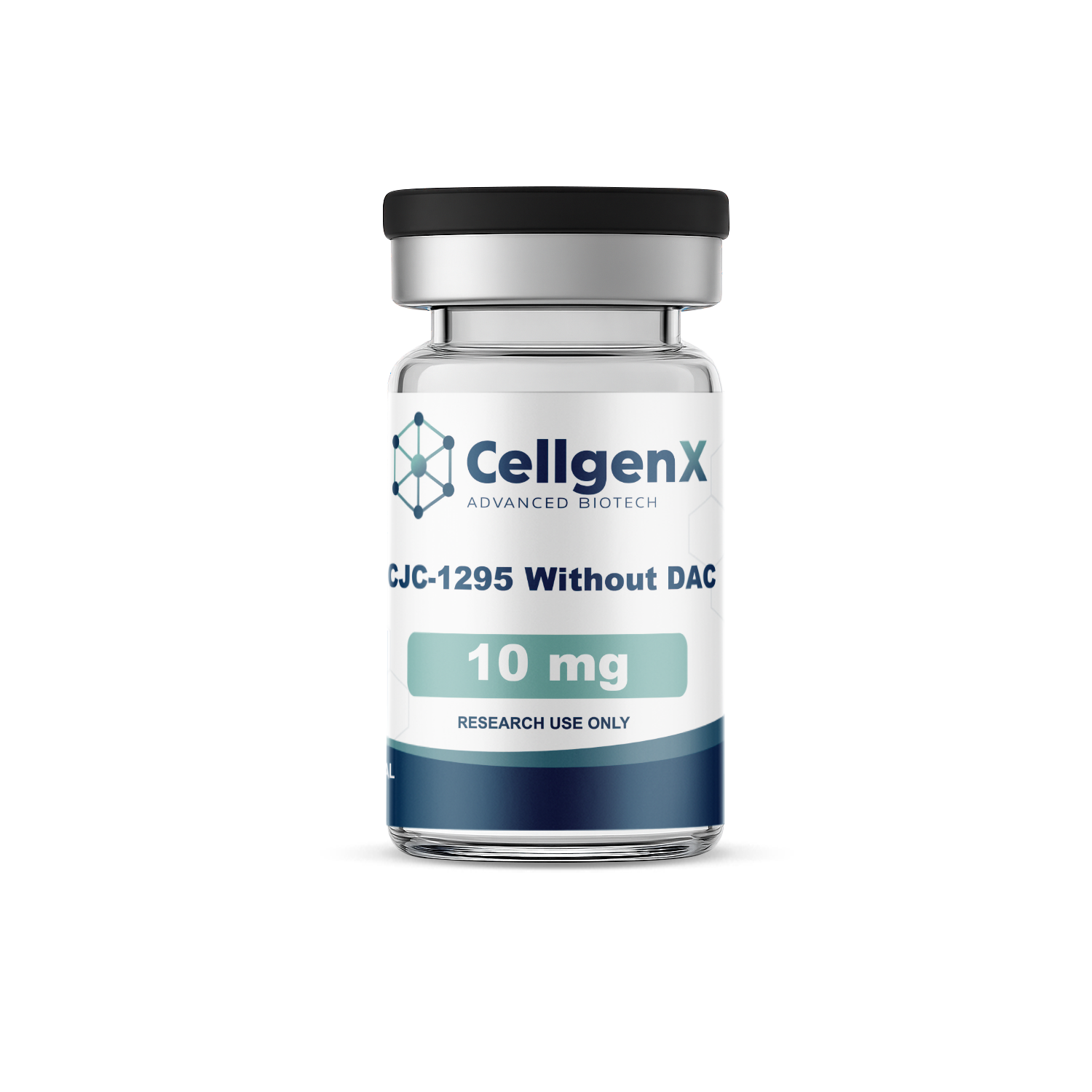
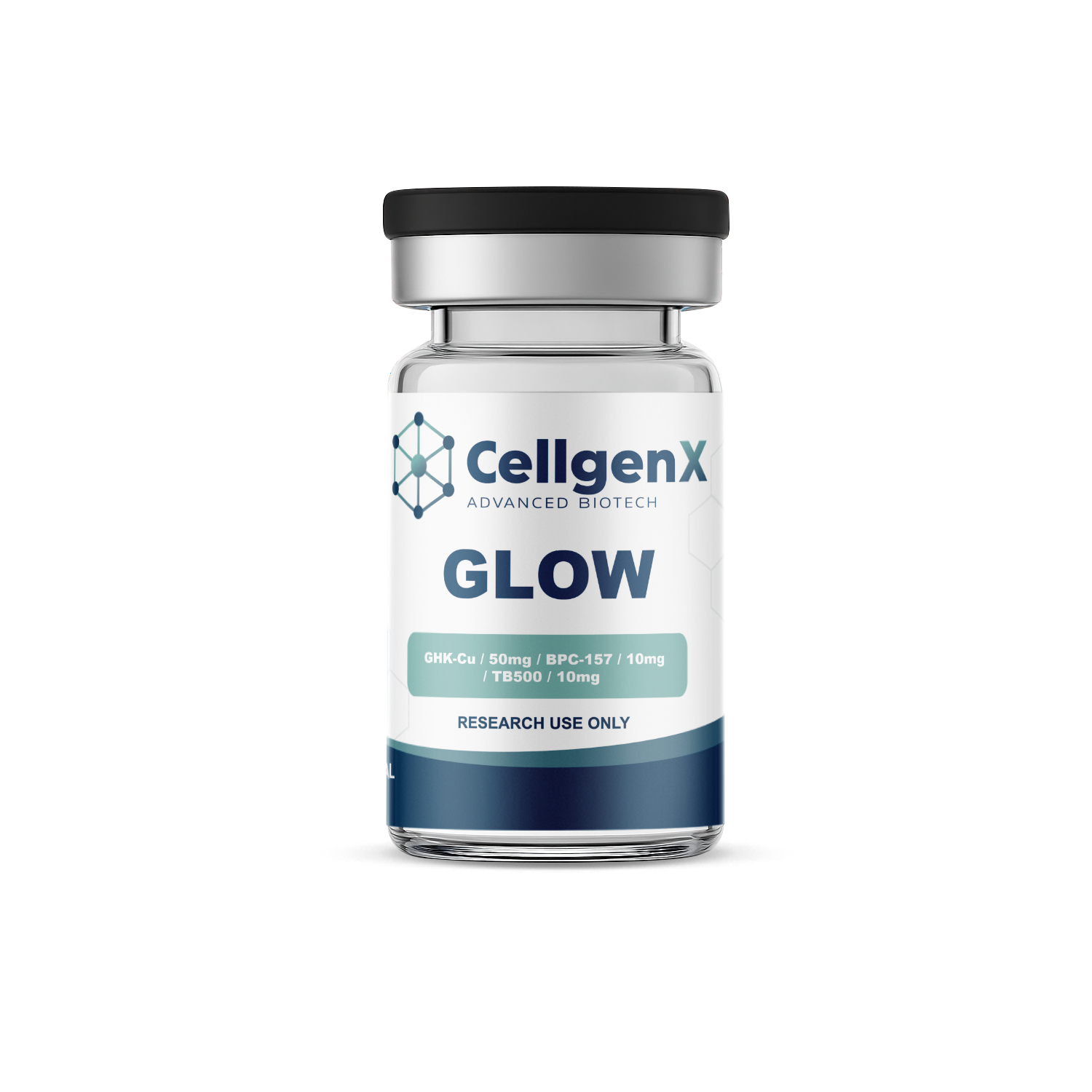
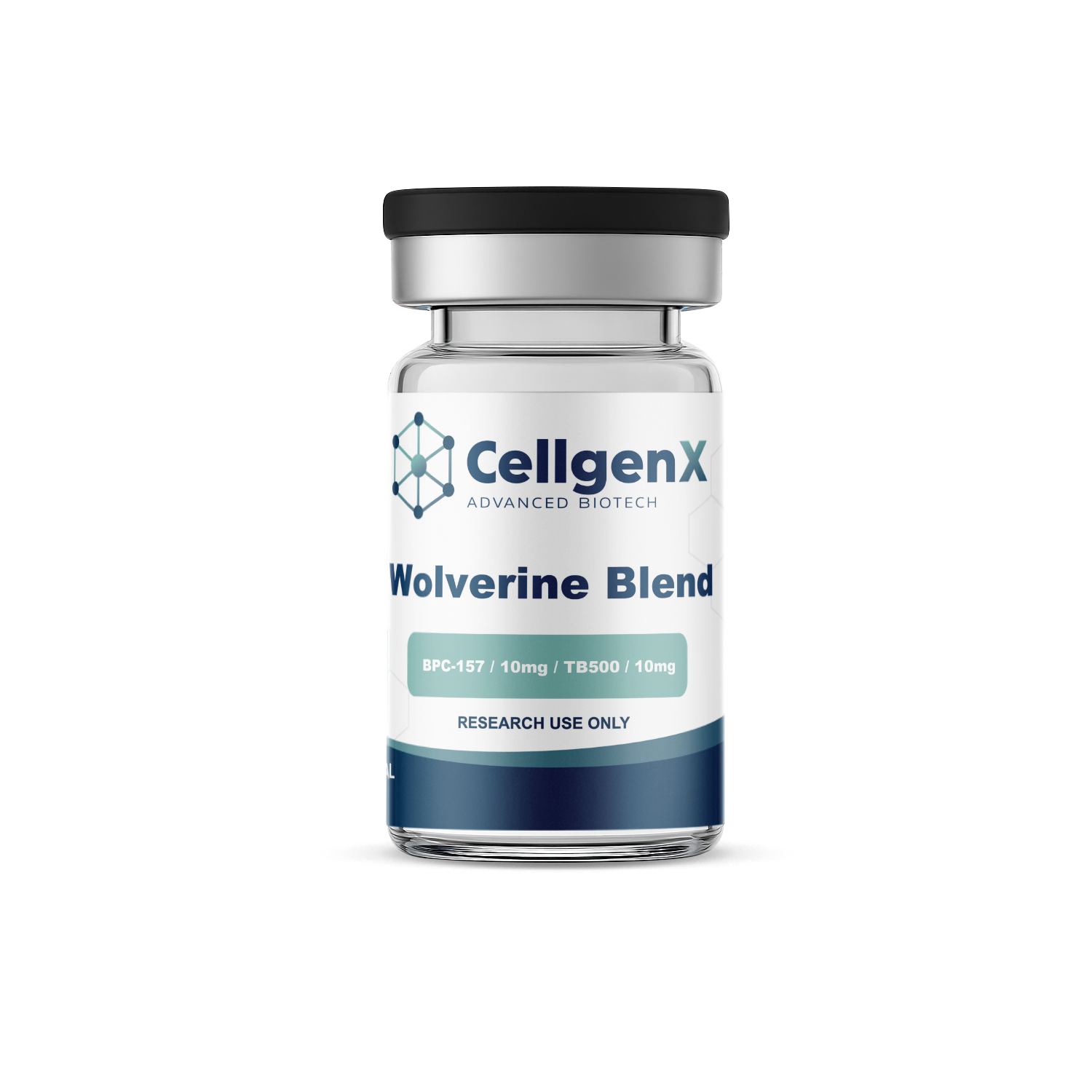
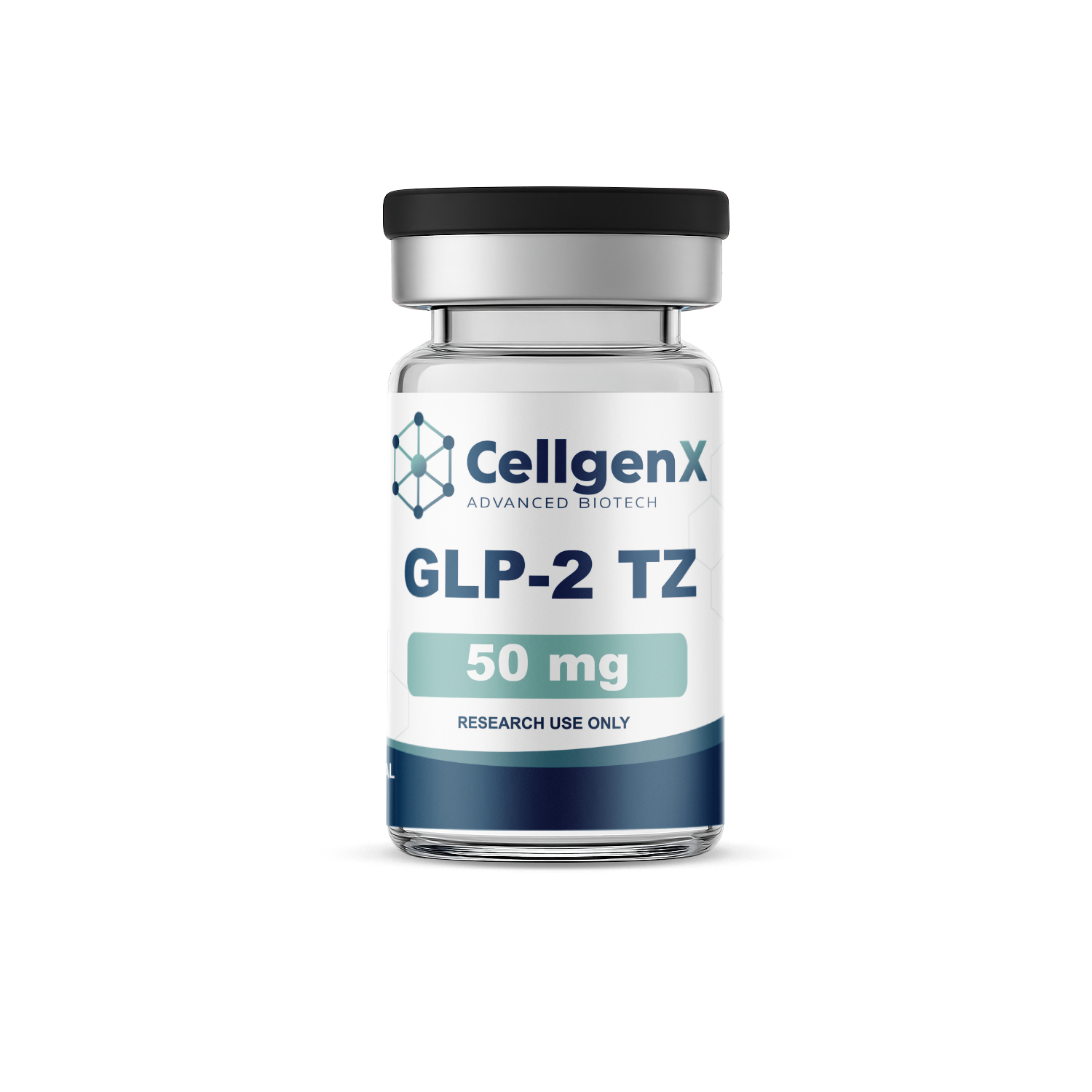
Applying this to the CellgenX catalog
This article is a reading guide and does not claim that every CellgenX product includes a certificate. Ask about available documentation for the reference you are interested in through Contact.