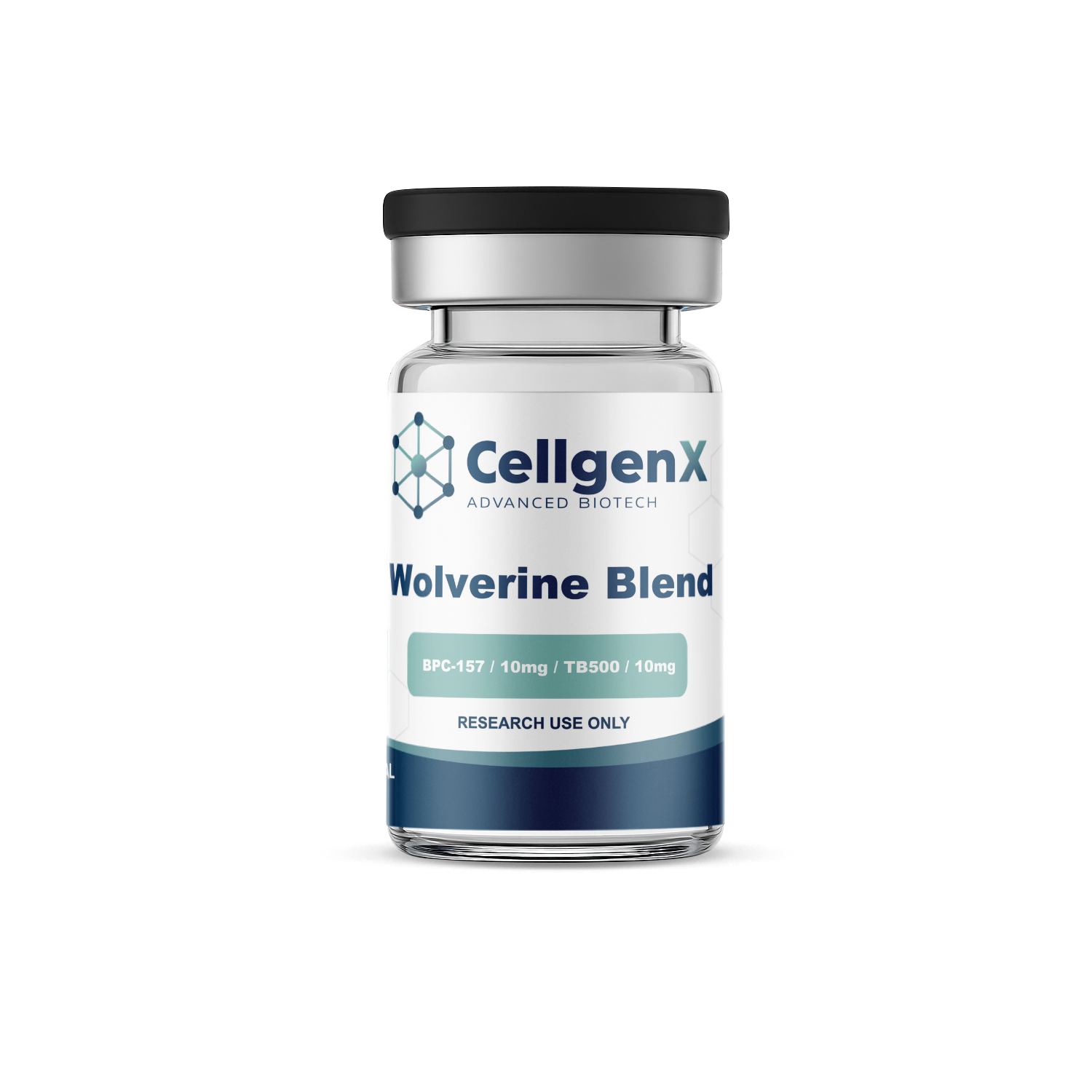





A catalog may show a SKU, while a container or document may identify a batch. Both help organize information, but they are not interchangeable. Keeping them separate avoids confusion between purchasing a format and identifying the material received.
What the SKU identifies
The SKU is the catalog reference used to distinguish a product or commercial format. It helps you find it again, prepare a question and check which reference was included in an order.
In CellgenX, copy the SKU from the corresponding listing instead of reconstructing it from the name. When a compound has several formats, also record the quantity and unit: an abbreviated name may not distinguish them.
What the batch number contributes
The batch identifies a group of material covered by the corresponding documentation. When it is stated on the label or in the documents, keep it as a separate field. The SKU does not replace this information.
To link a report to the material received, compare the batch as well as the commercial reference. If the information is unavailable, mark it as outstanding and ask the supplier; do not use the SKU as though it were a batch number.
A simple internal record
- Full product name.
- SKU and commercial format.
- Order number and receipt date.
- Batch stated on the container or documentation, if available.
- Material location and links to its documents.
This organizational outline can be incorporated into the laboratory's system. Its purpose is to help purchasing and receiving teams compare records without mixing up identifiers.
A less ambiguous inquiry
When contacting CellgenX, include the SKU and, if your question concerns material already received, add the order number and available batch number. Each identifier helps clarify the question, but none replaces technical documentation.