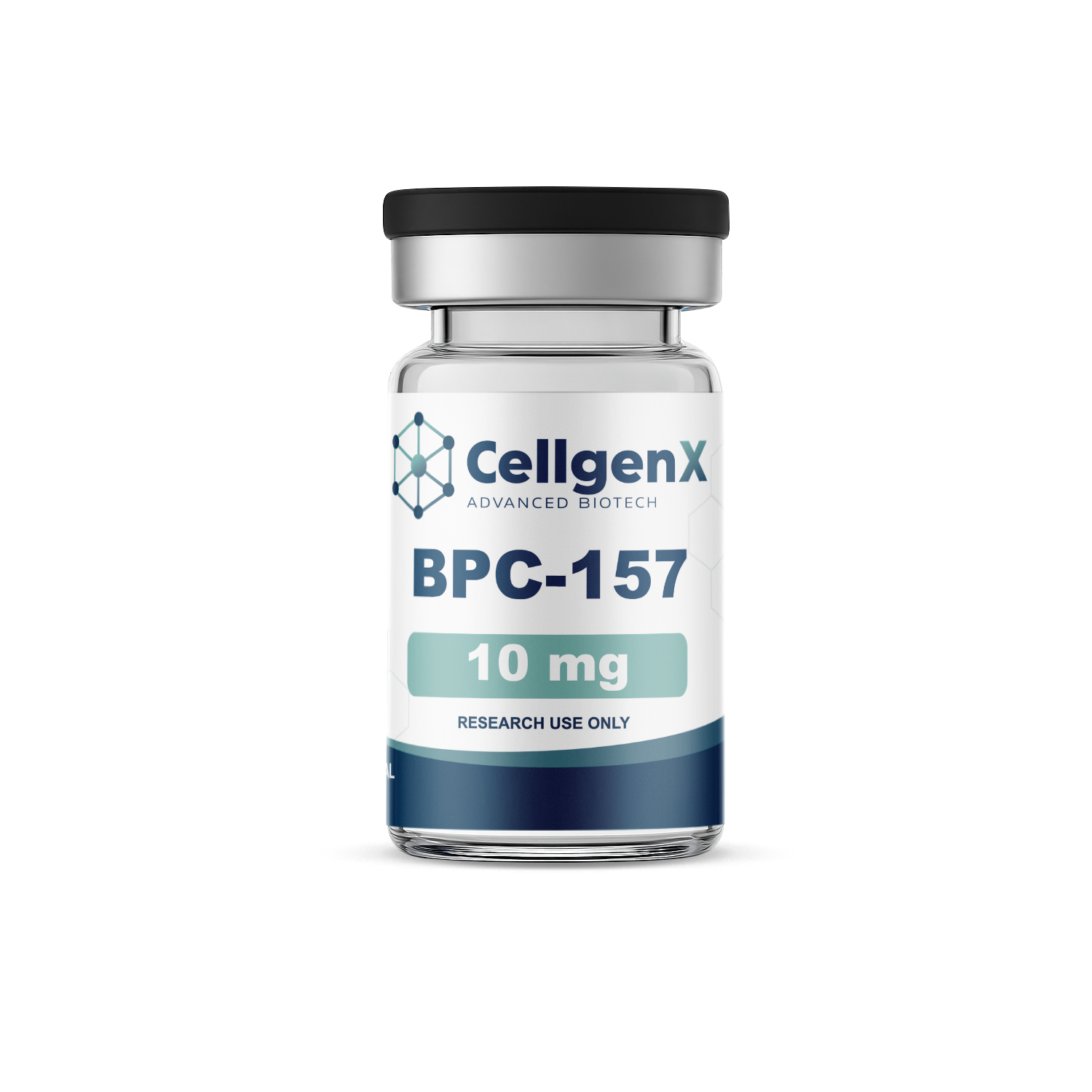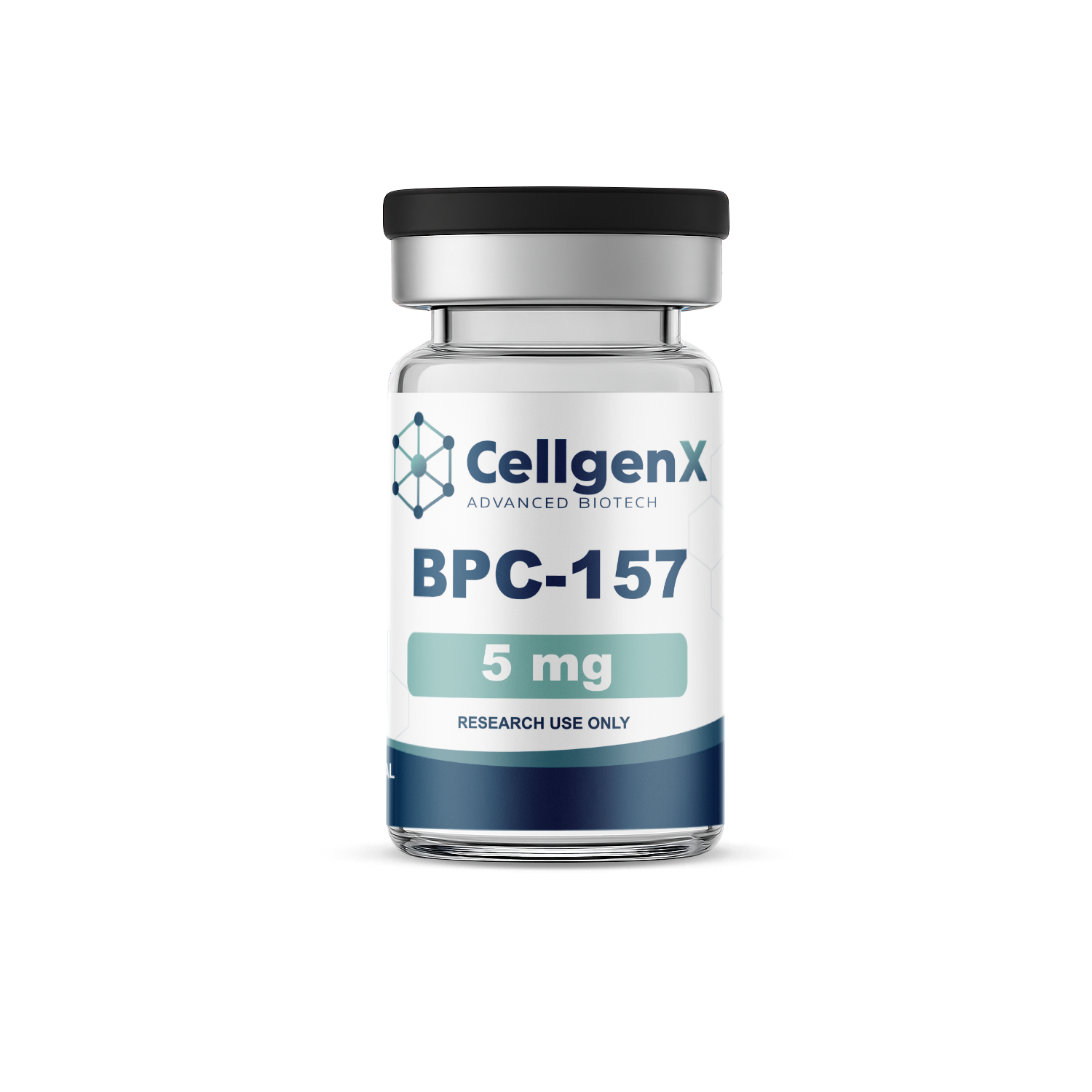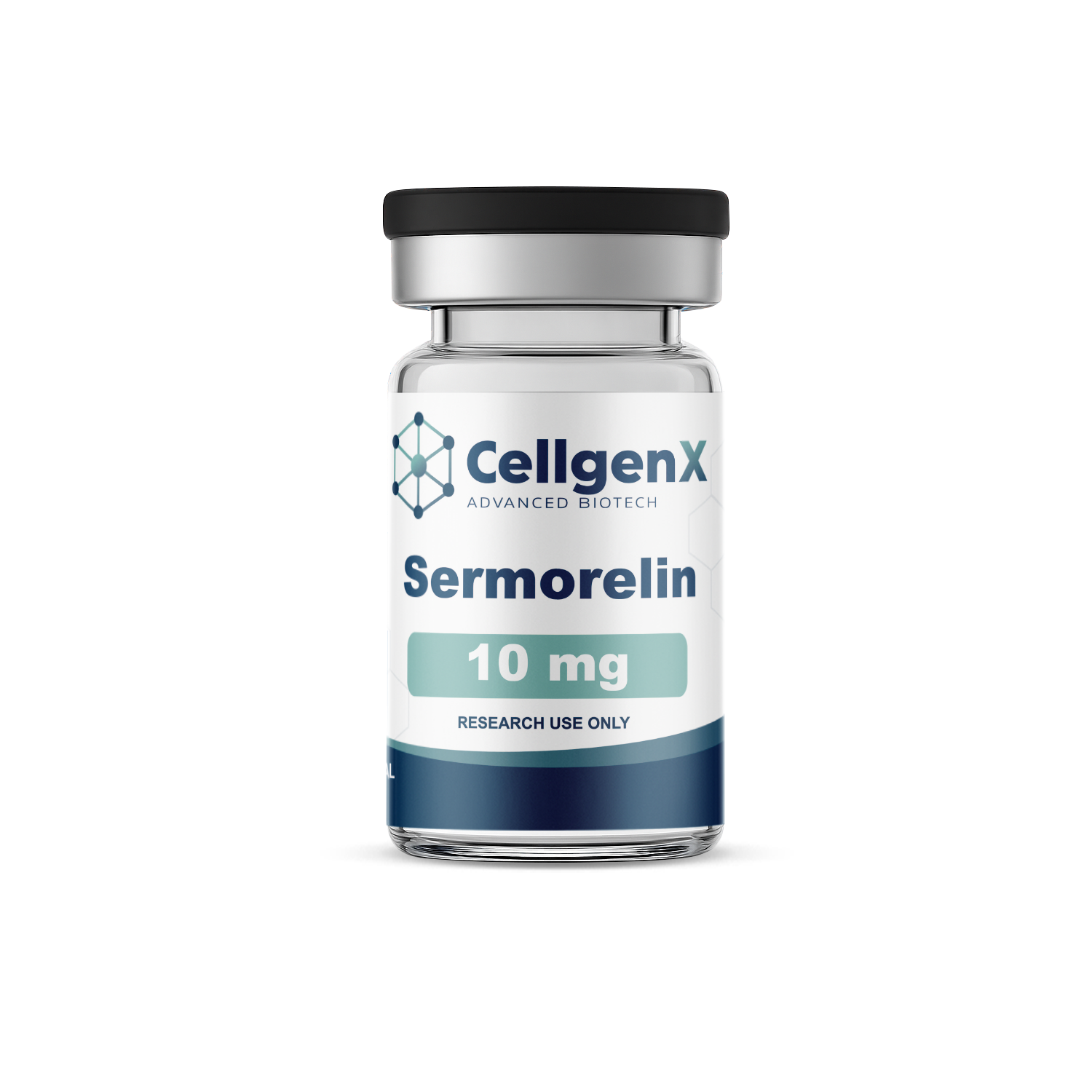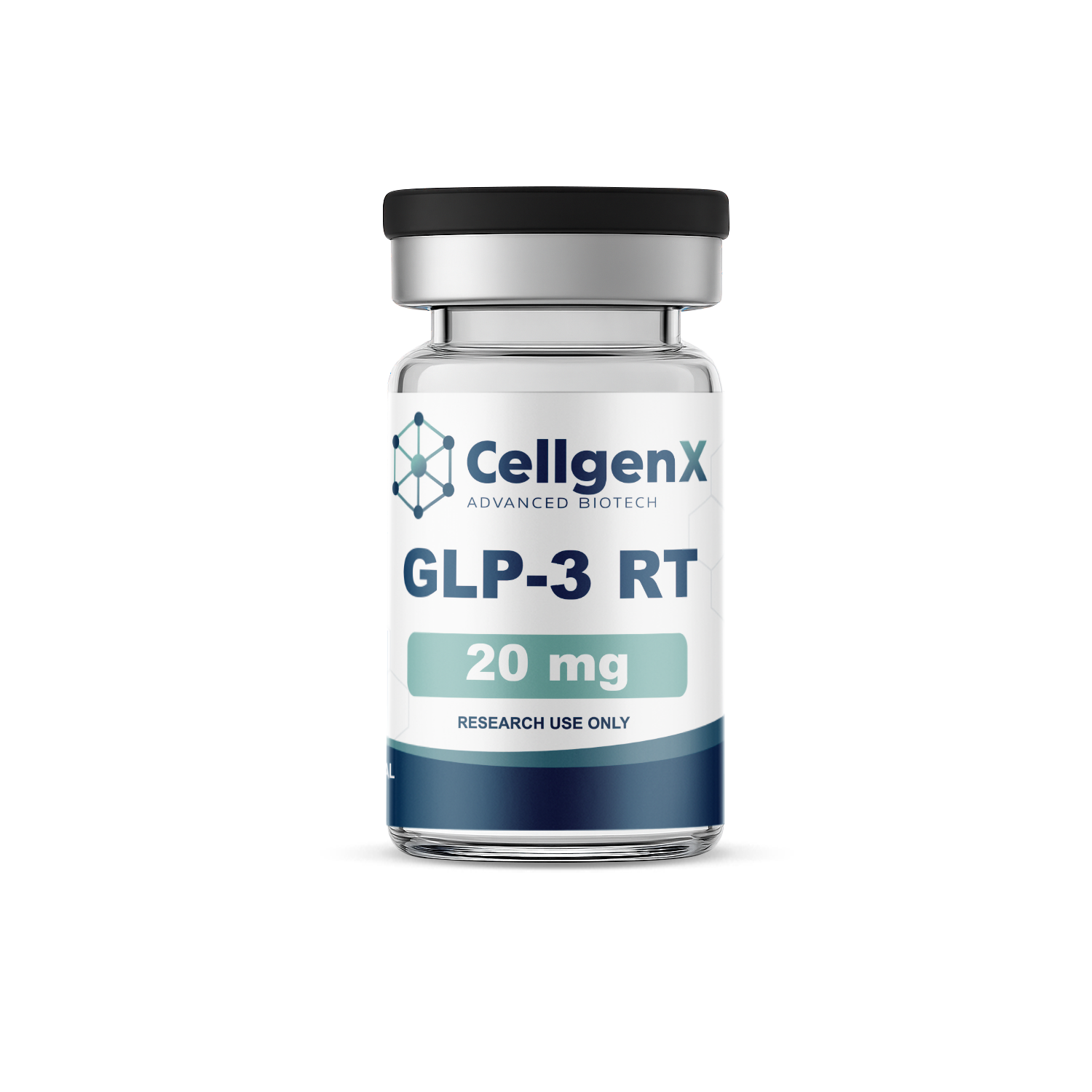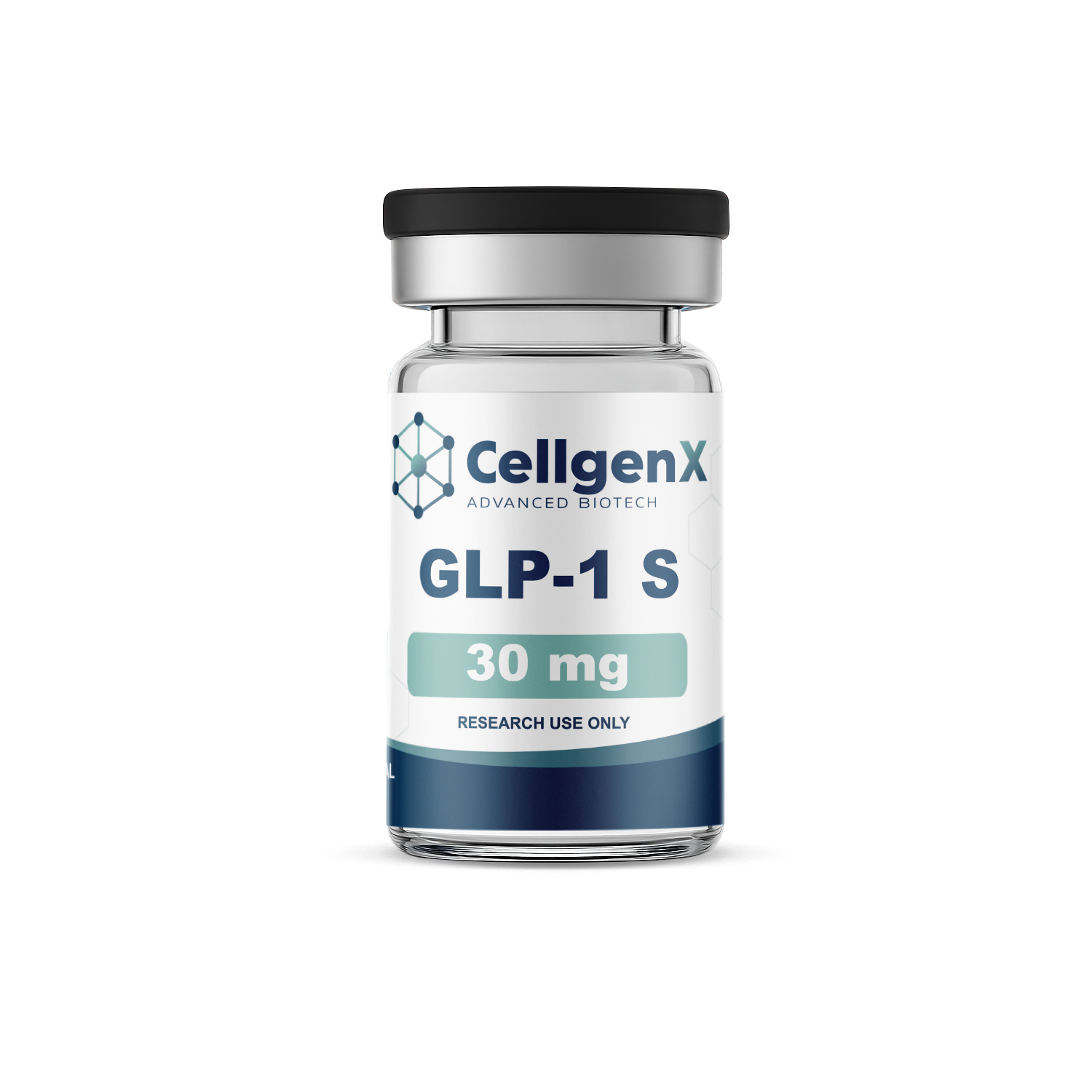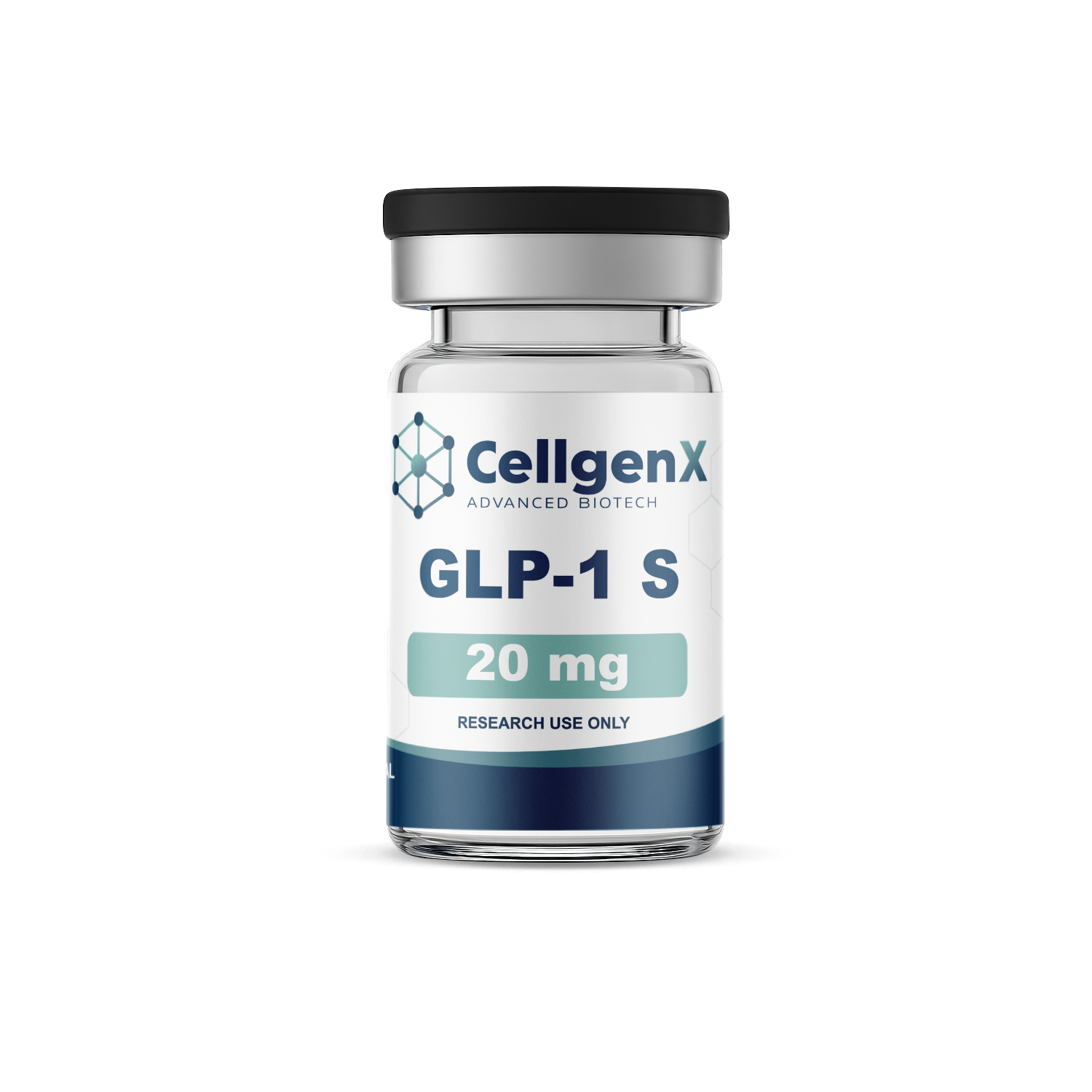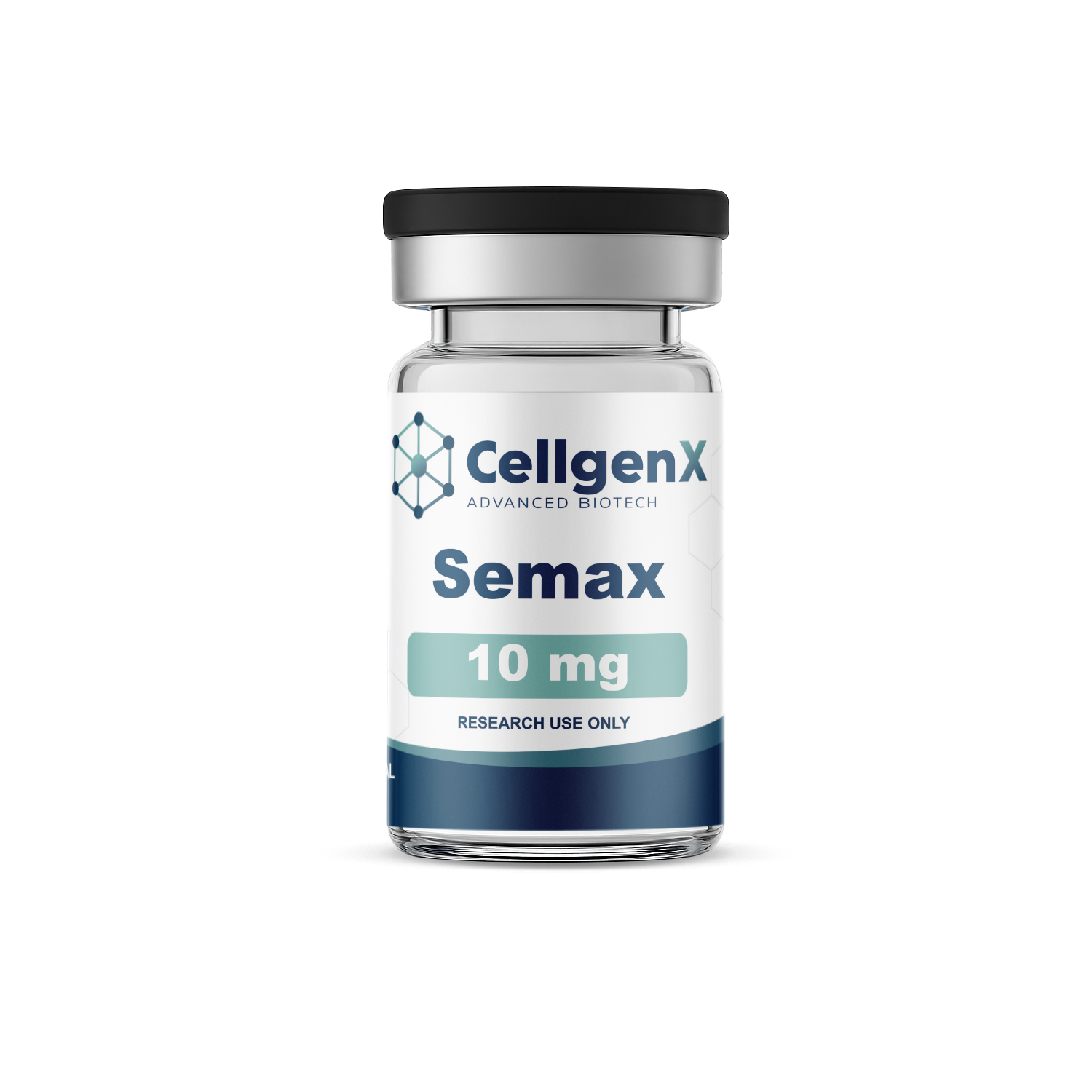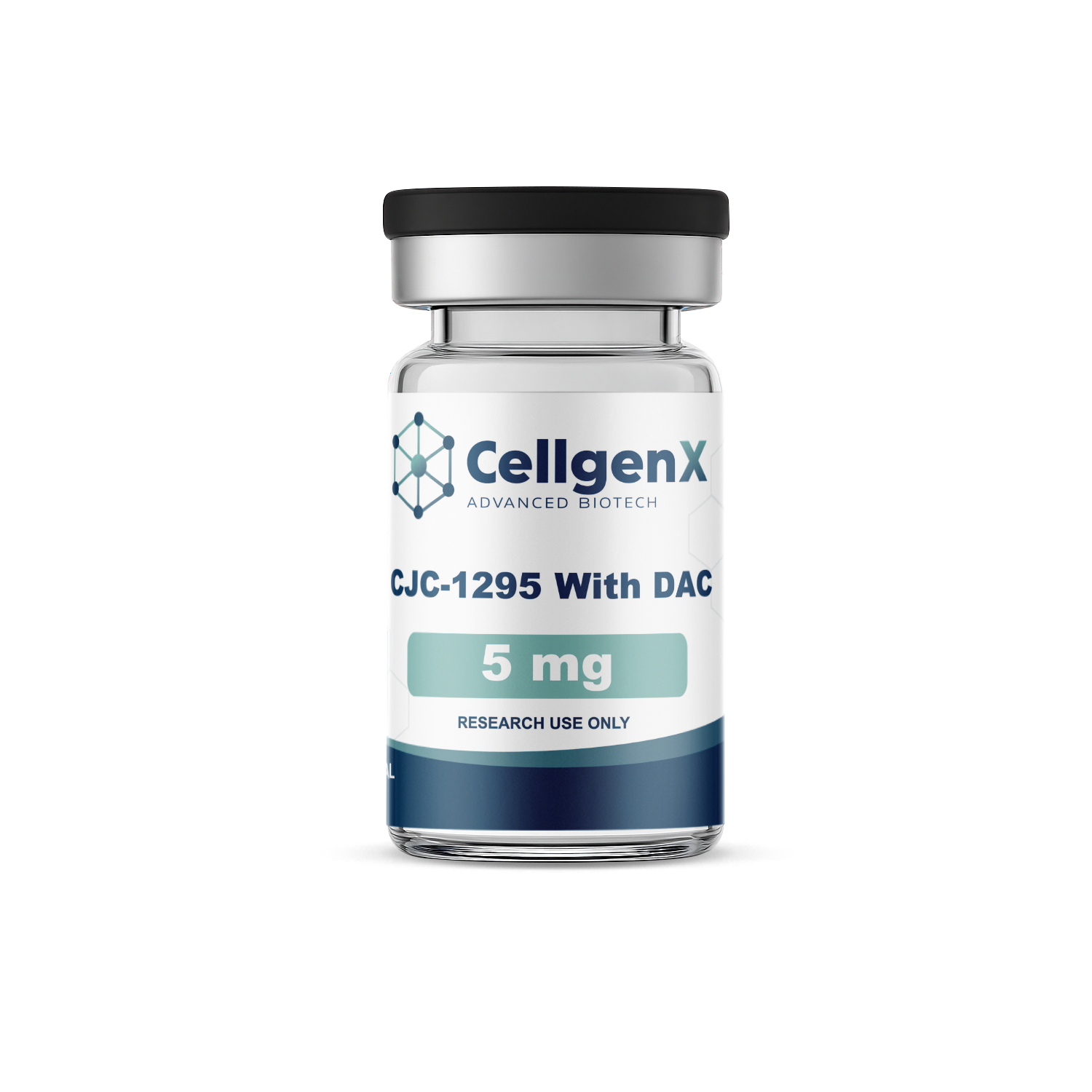
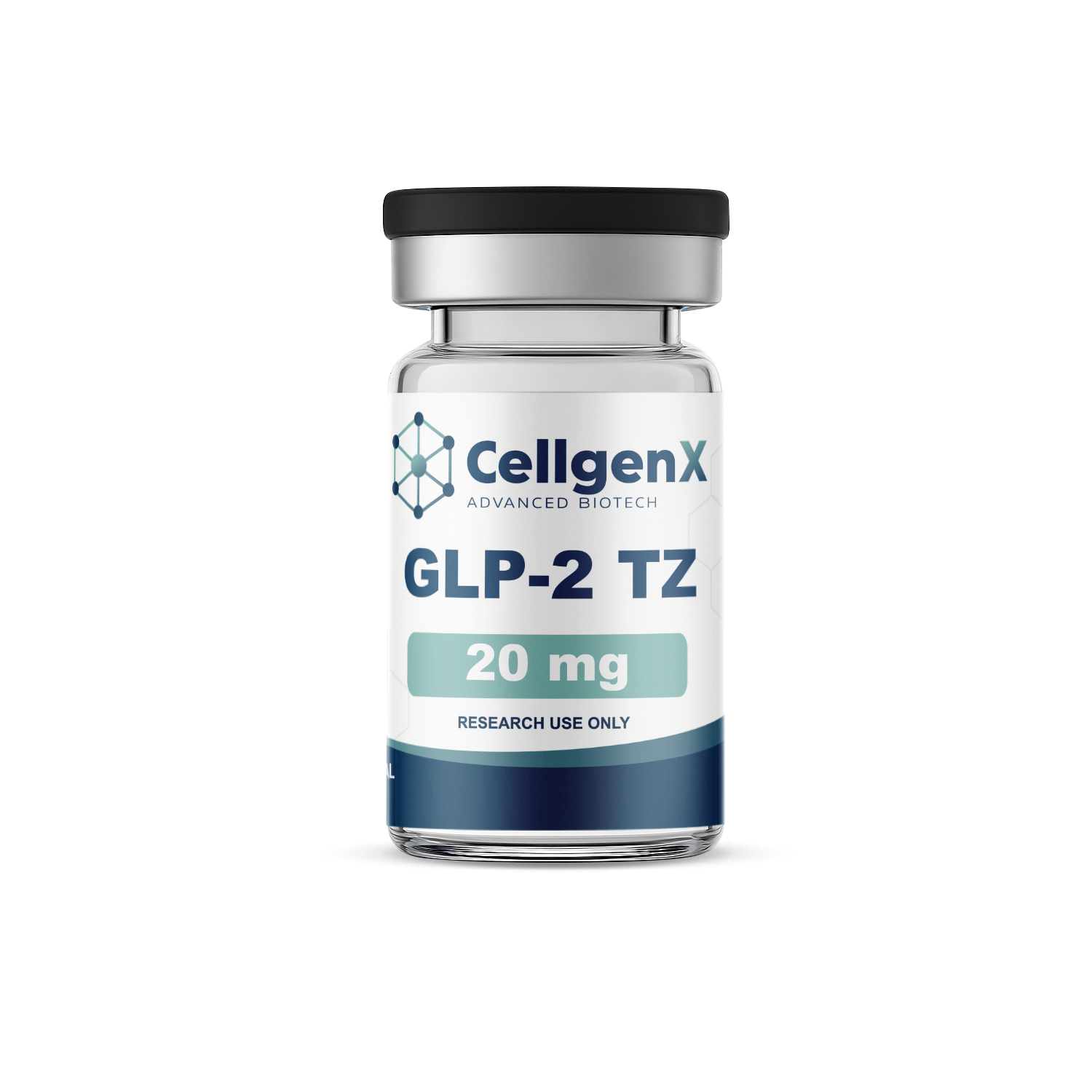
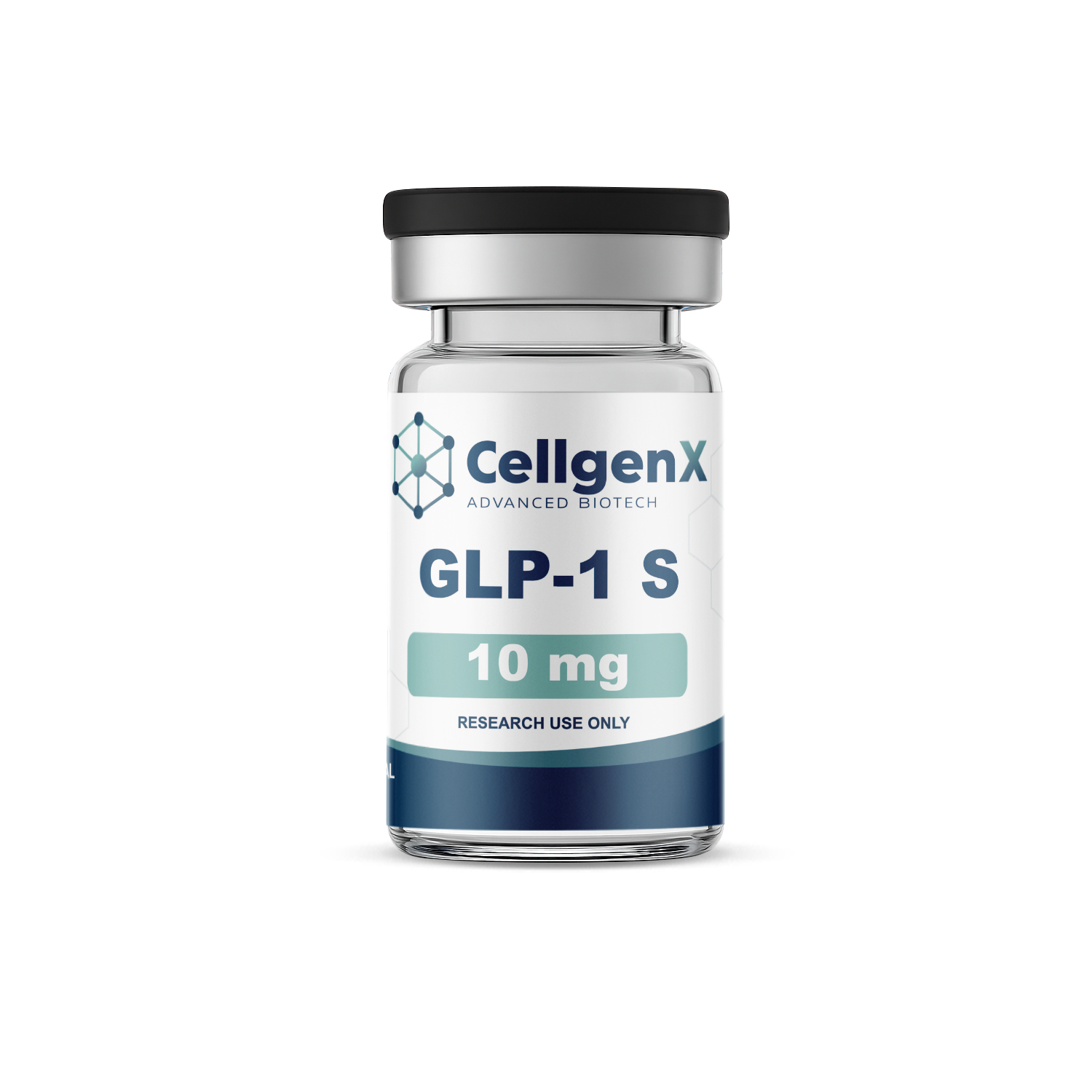
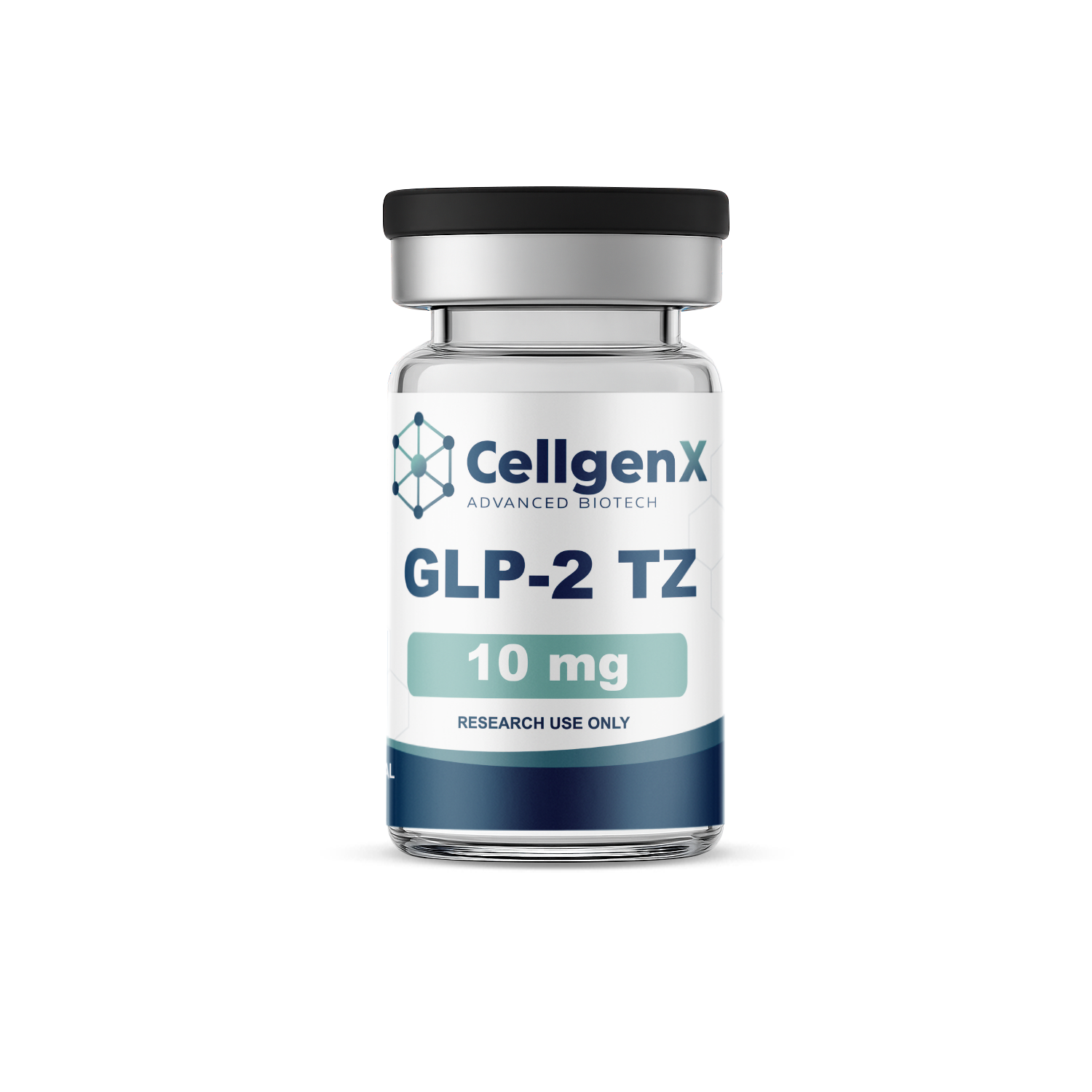

Materials in the CellgenX catalog carry a research-use-only notice and state that they are not for human or veterinary use. Reading this notice is part of reviewing a product, just like checking its name and format.
What the notice communicates
On this website, the notice defines the purpose for which the products are presented. The blog supports that context by explaining terms, documentation and questions relevant to laboratory work. It does not provide administration instructions, doses or recommendations for treating diseases.
A compound's appearance in a scientific publication does not turn a catalog product into a treatment. The compound's name, a study description and the documentation for a commercial material are different pieces of information.
What a label does not establish
A research-use notice is not an analytical result. It is not enough to establish a batch's identity, purity, stability or other characteristics. These questions require specific information and, where necessary, checks appropriate to the project.
How to ask a useful question
- Include the name and SKU of the product you are reviewing.
- Describe the technical information you need to confirm.
- Ask which documentation is available for that reference or batch.
- Keep your inquiry within the declared research purpose.
A specific question, such as whether documentation identifying the batch is available, is more useful than a general request to know whether a material is 'good'. It also makes it easier to record the answer and any outstanding information.
Educational information and material selection
This article explains the notice published in CellgenXlistings; it is not a regulatory assessment of a product. Laboratory selection and use must follow the responsible institution's protocol and procedures.