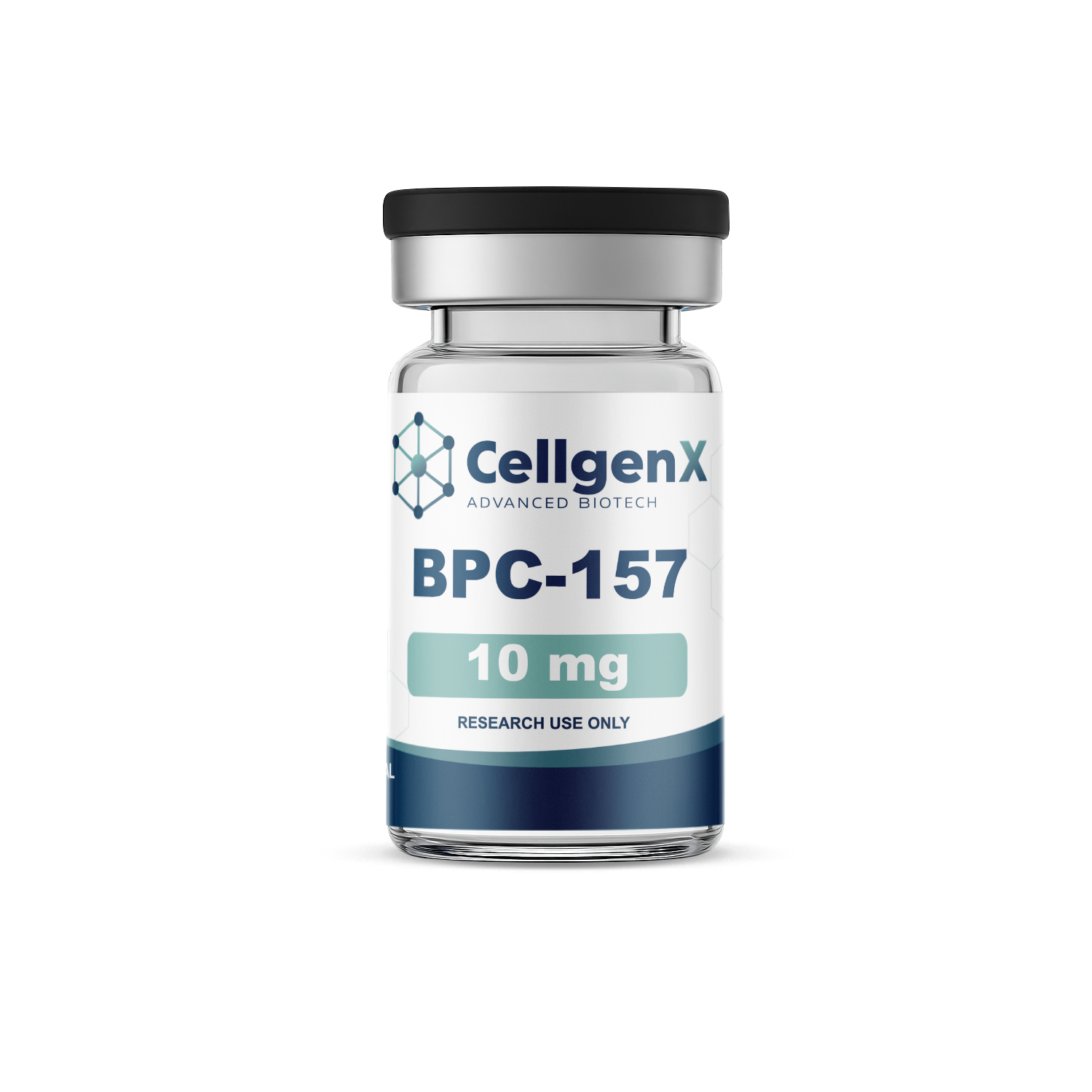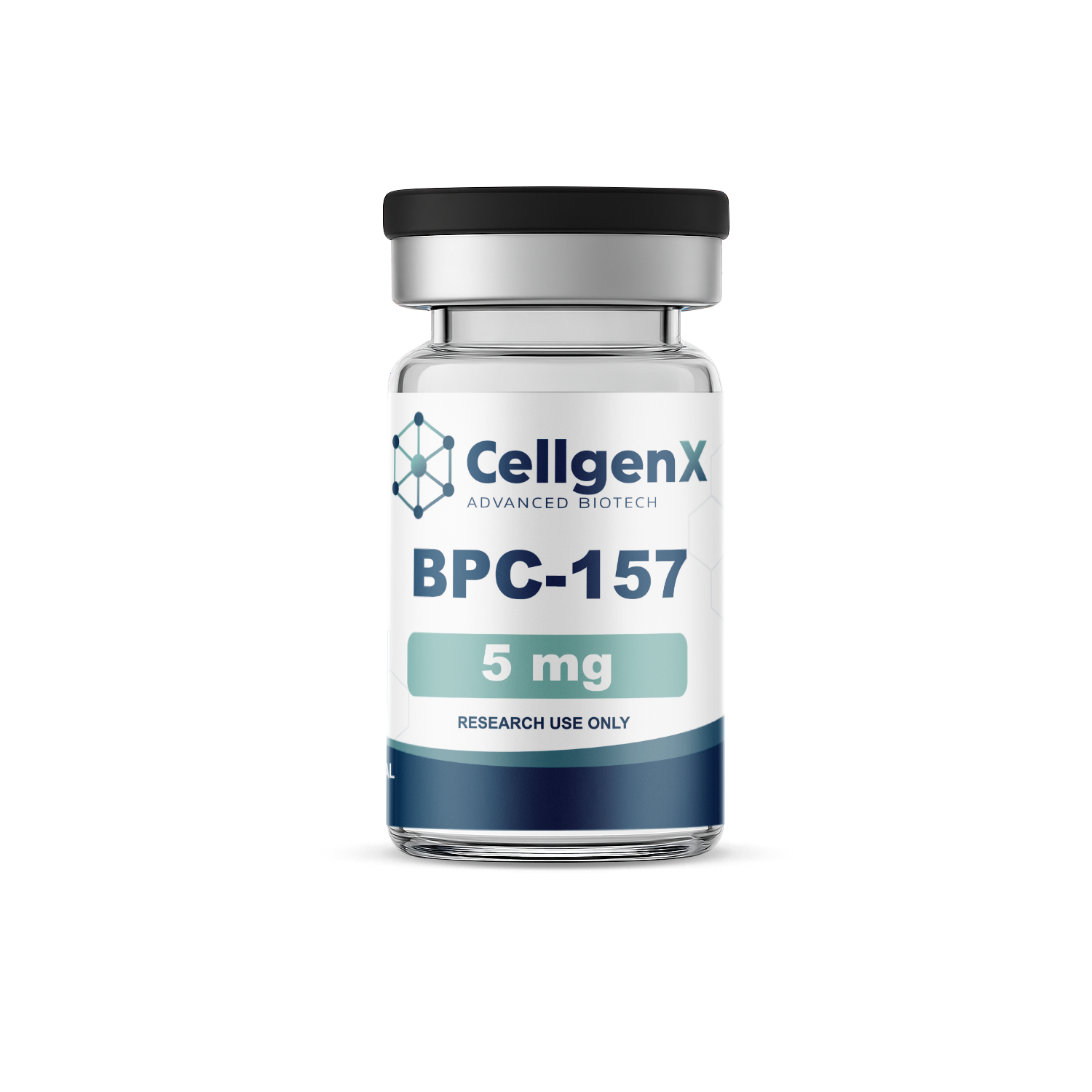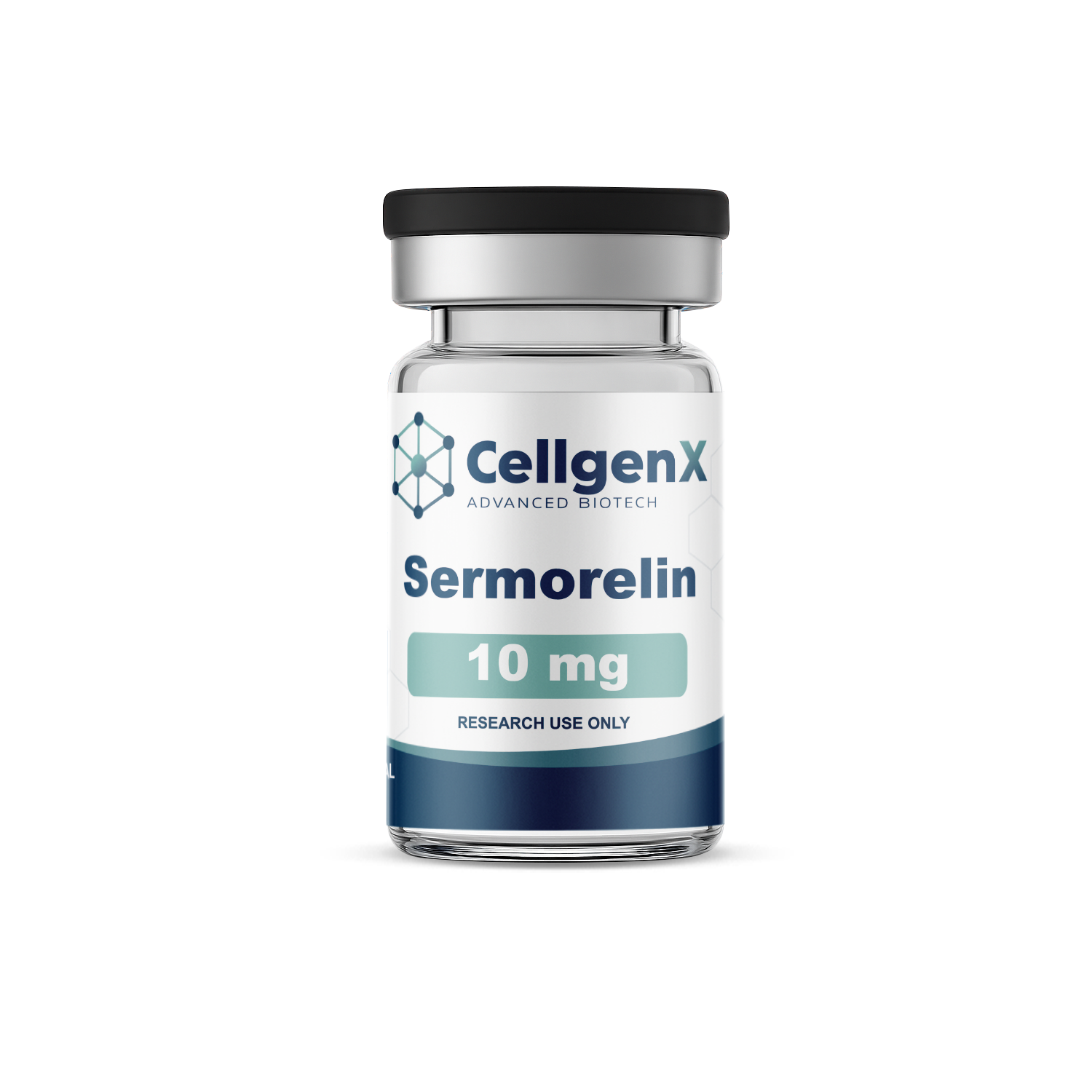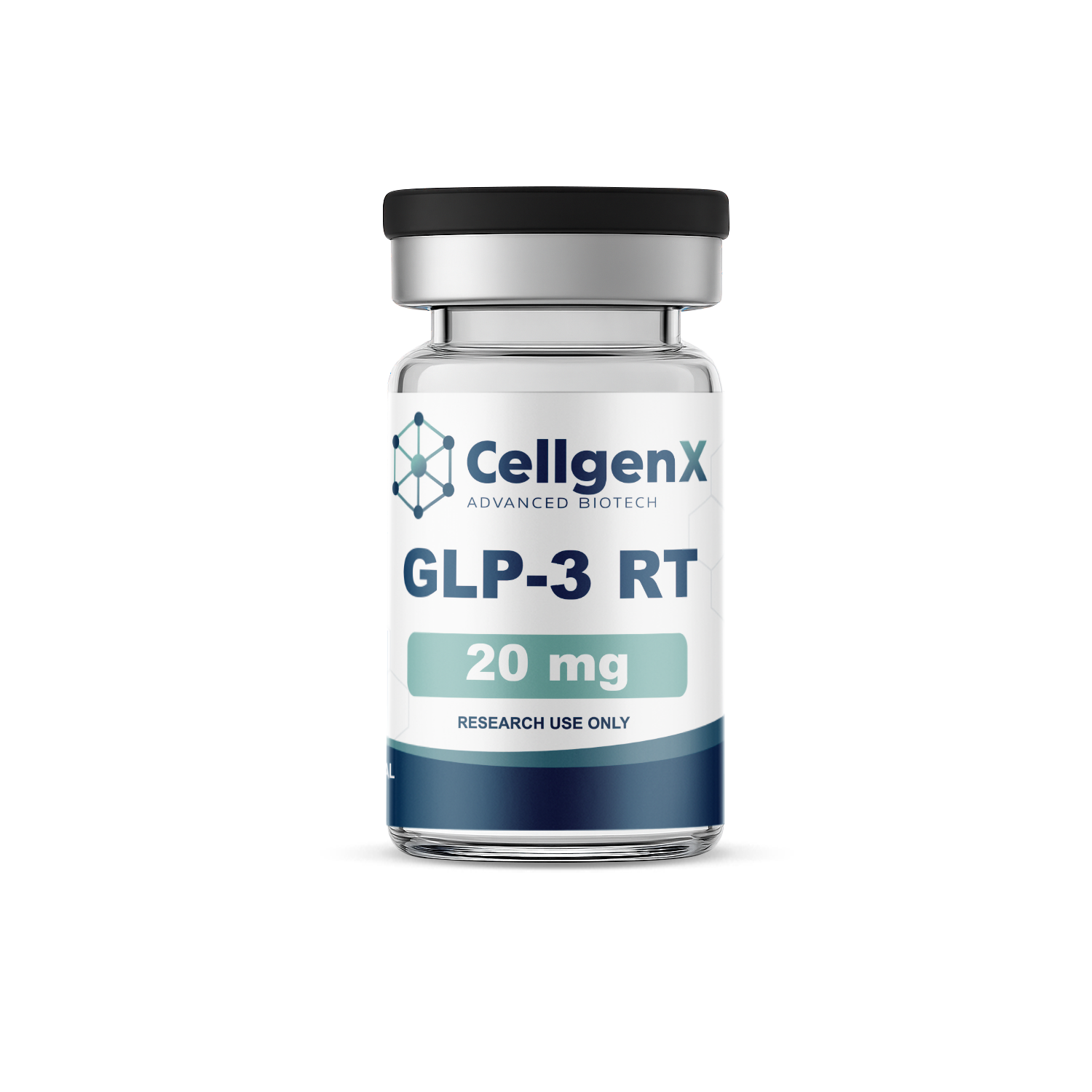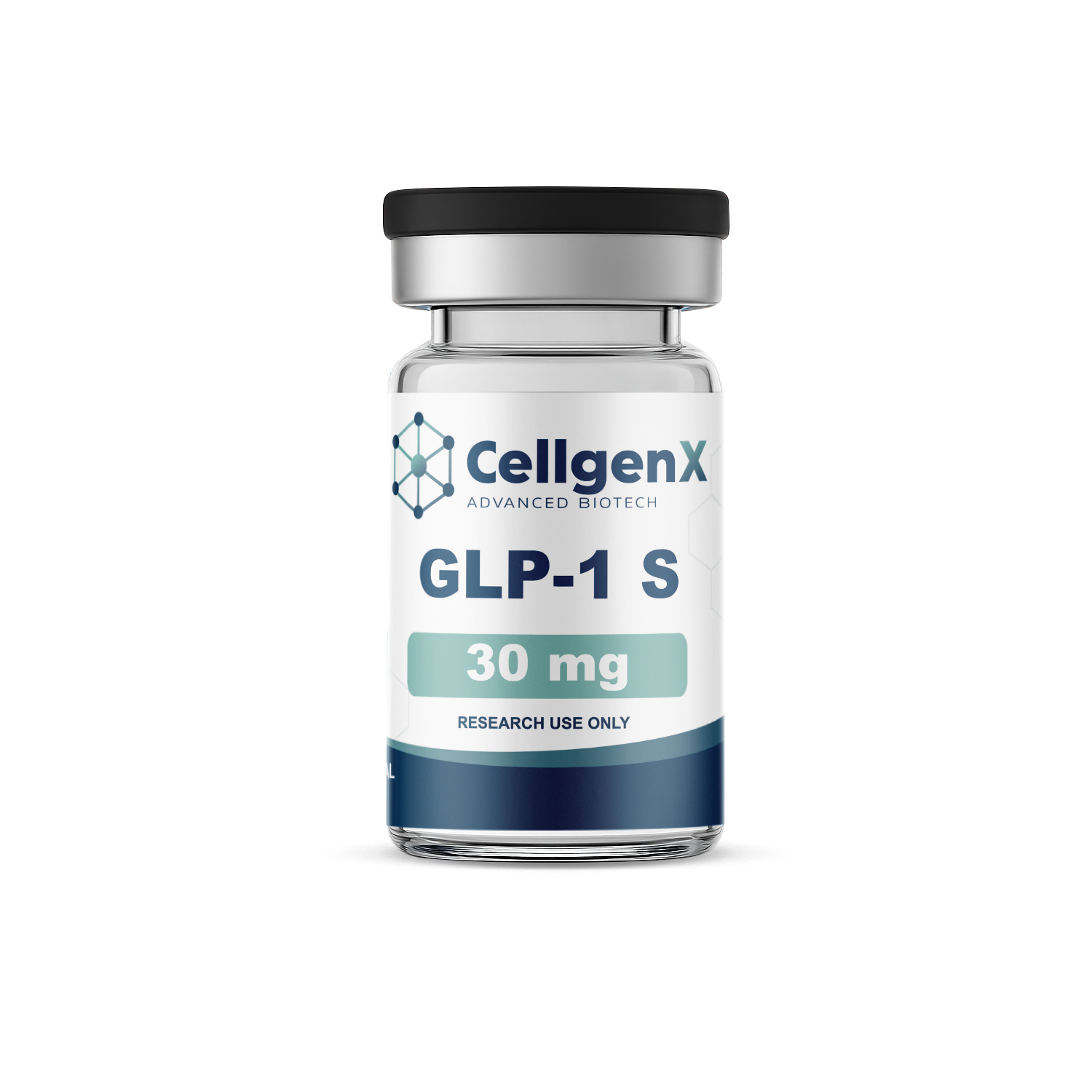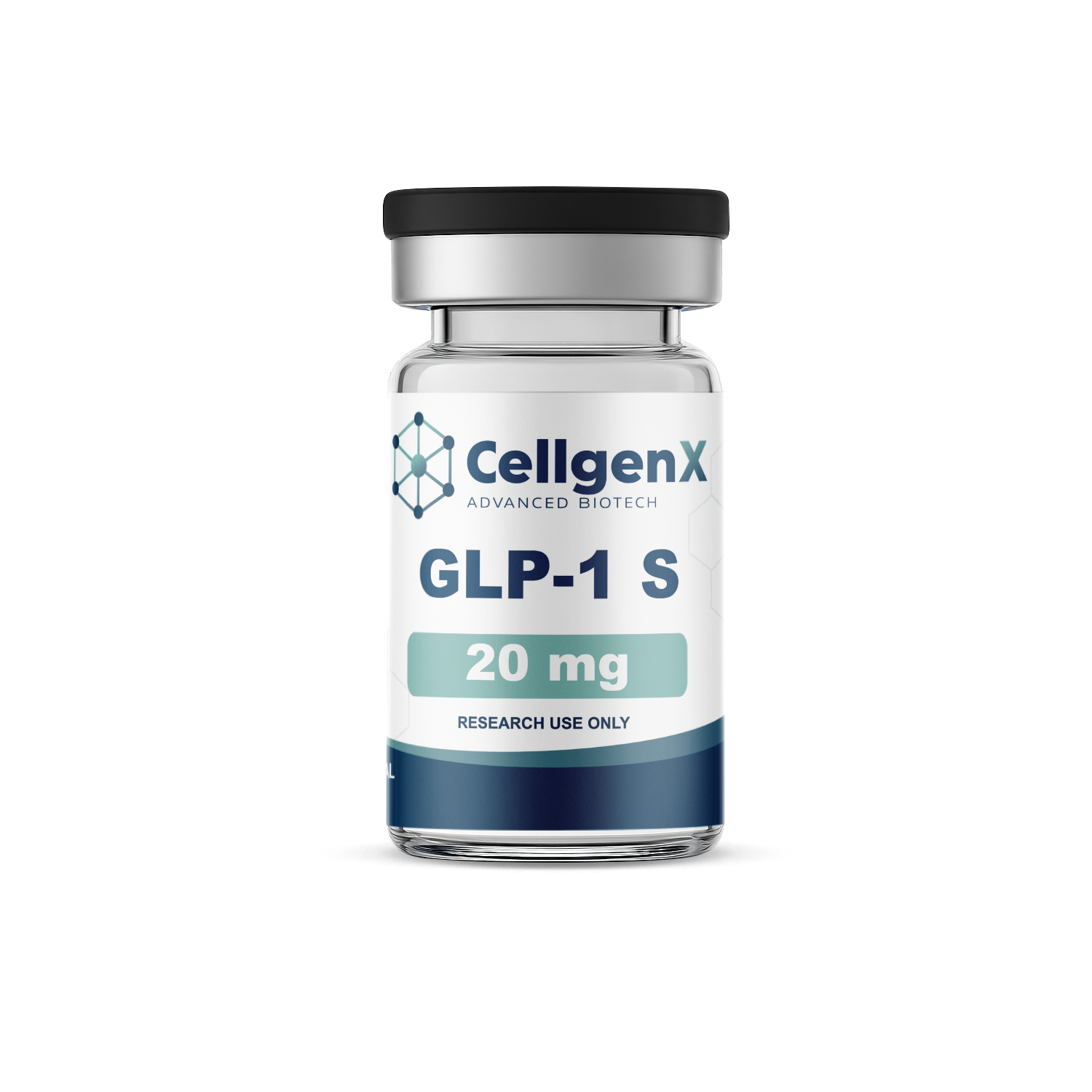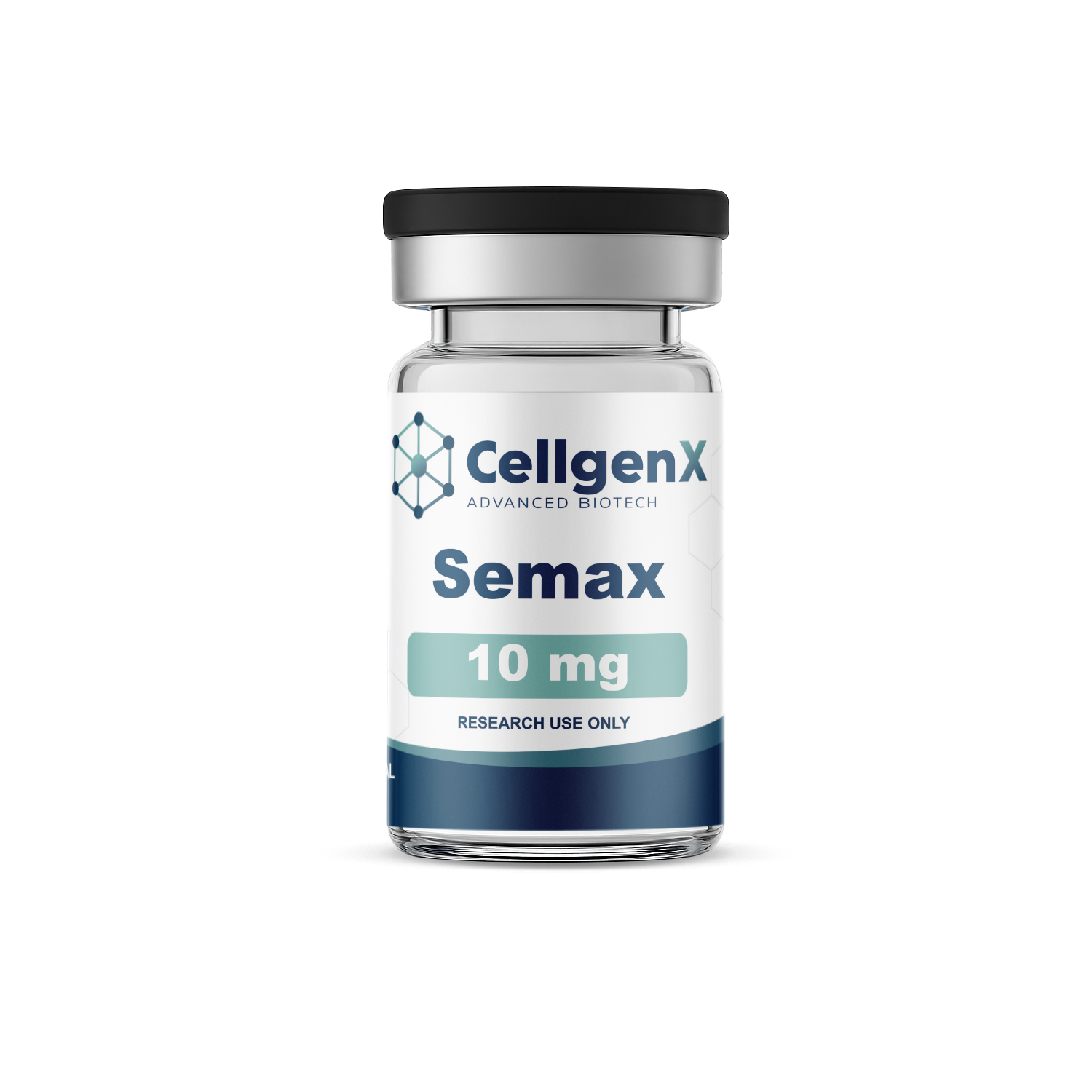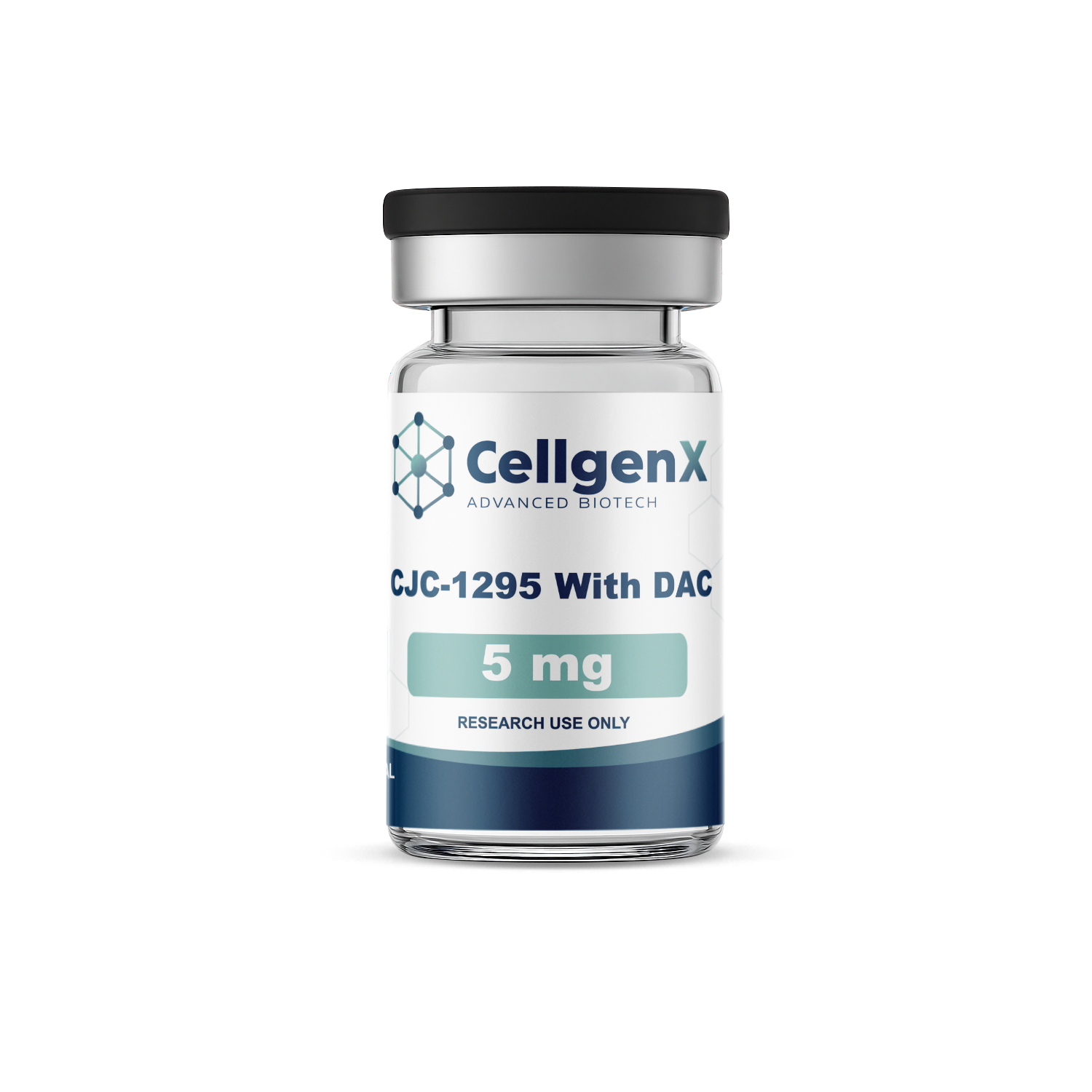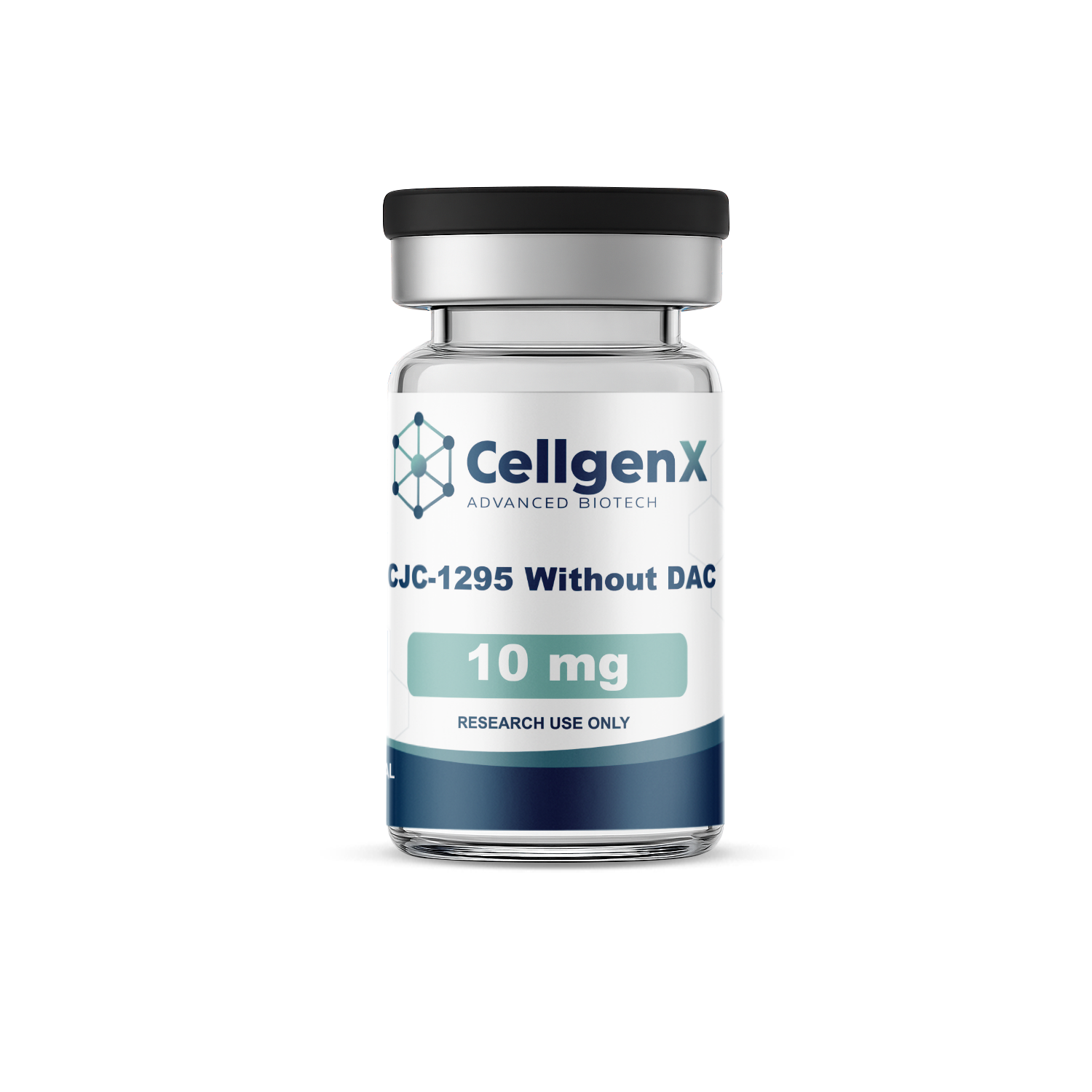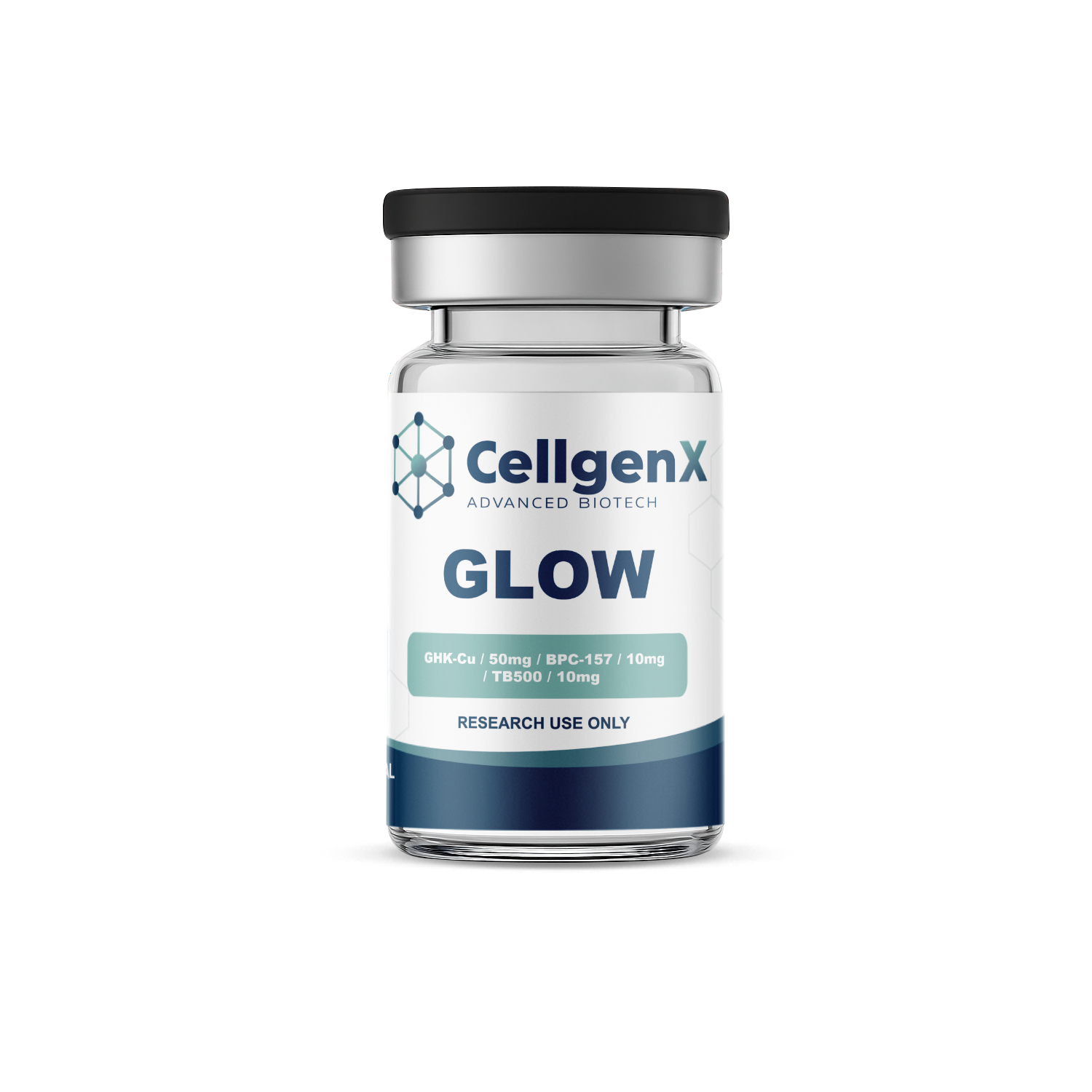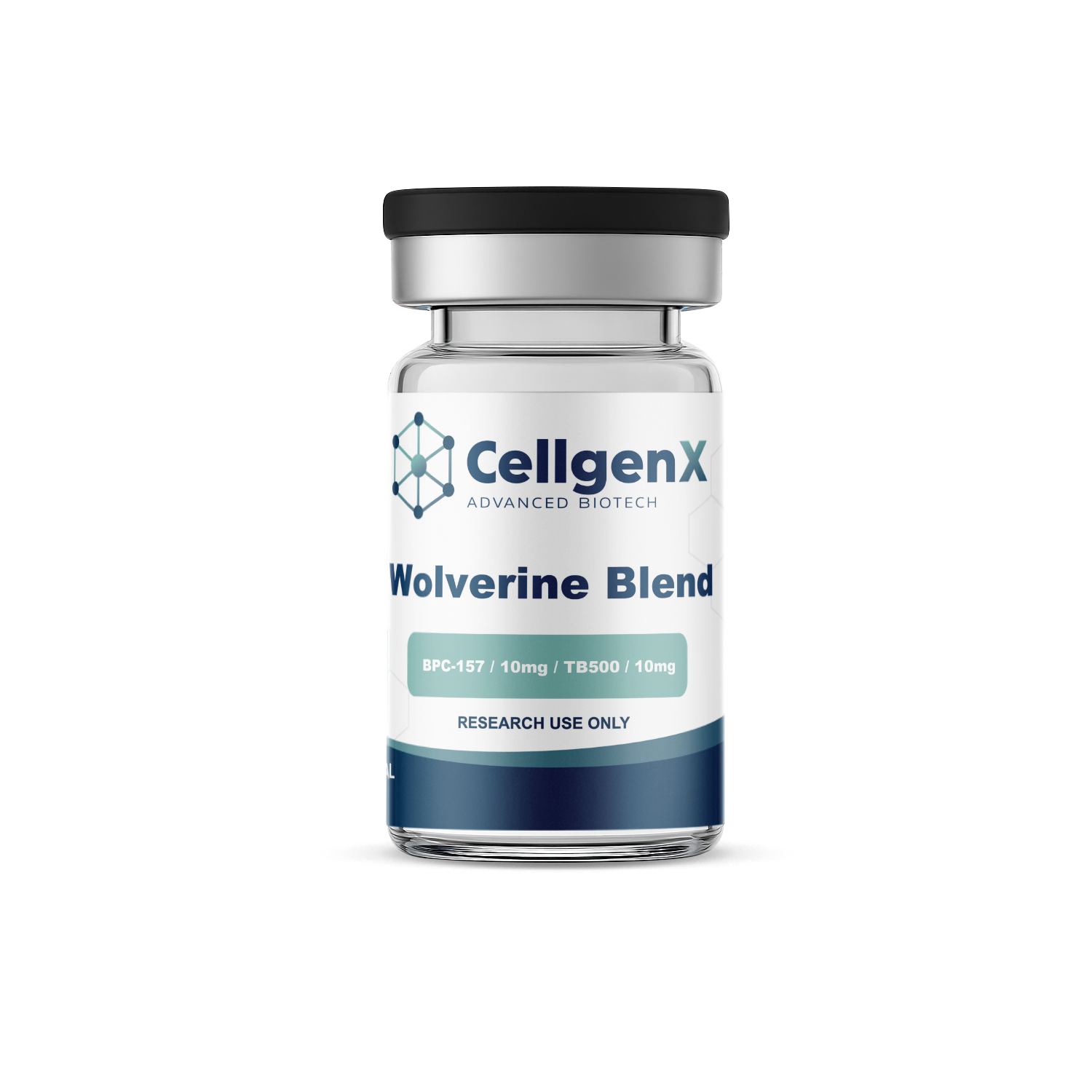
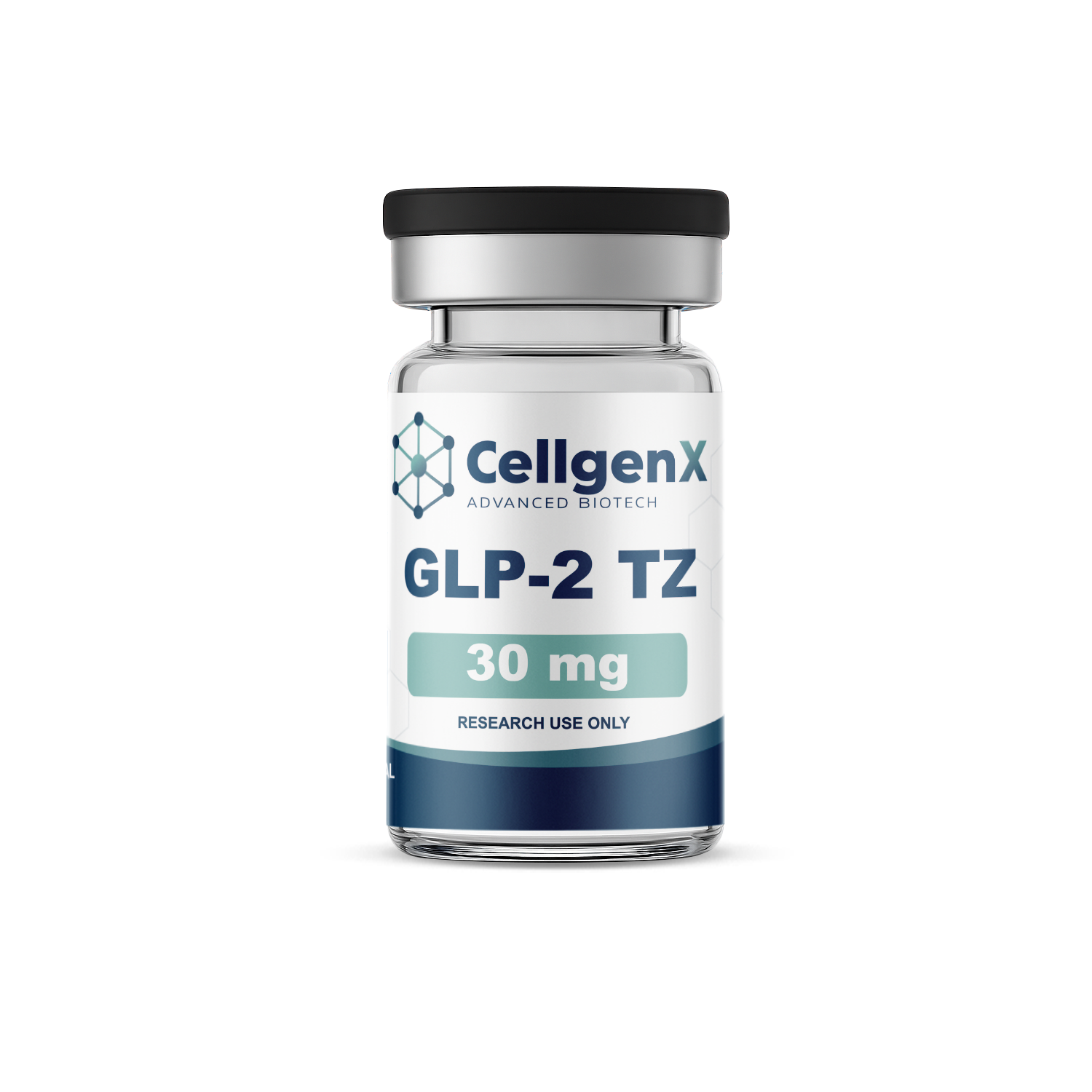
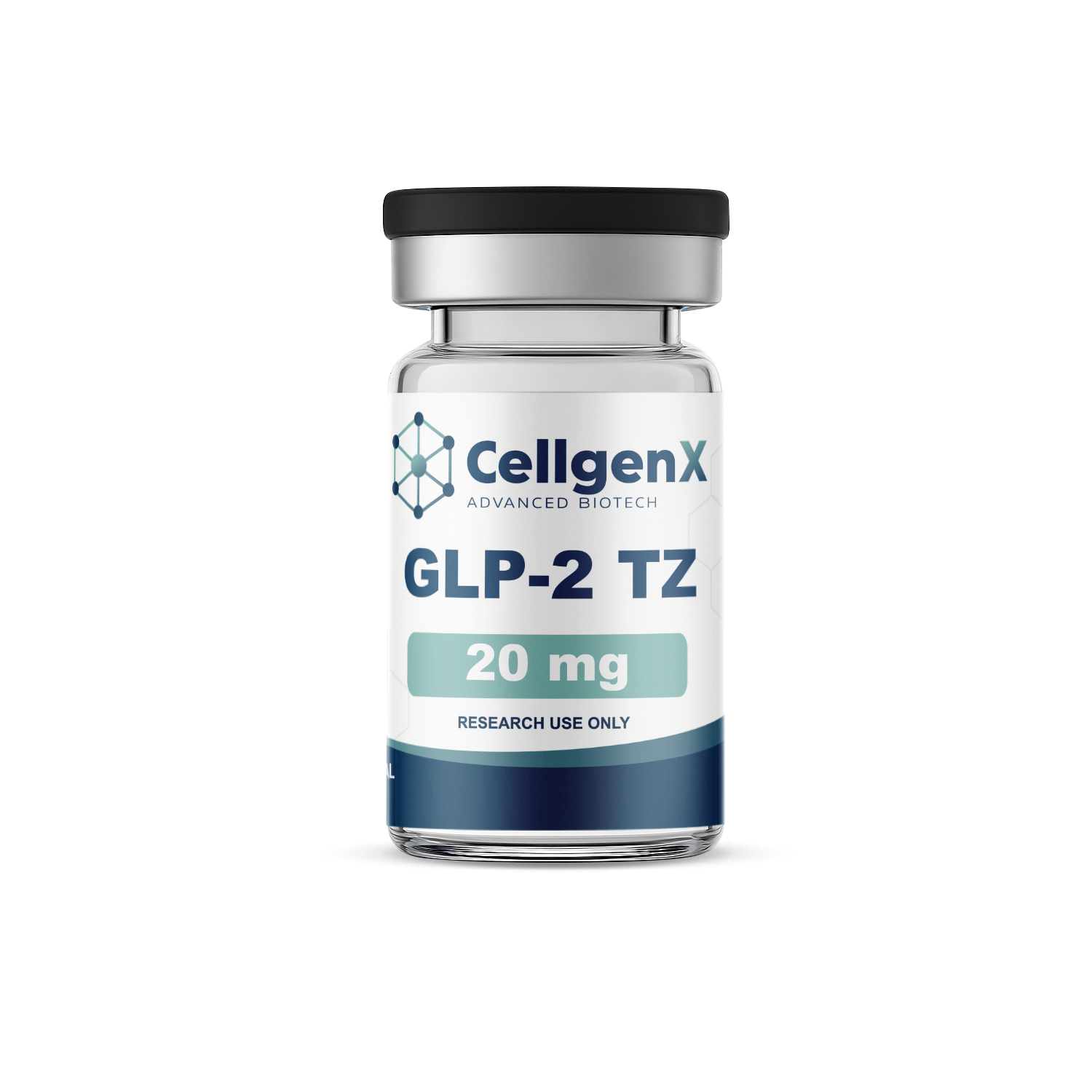
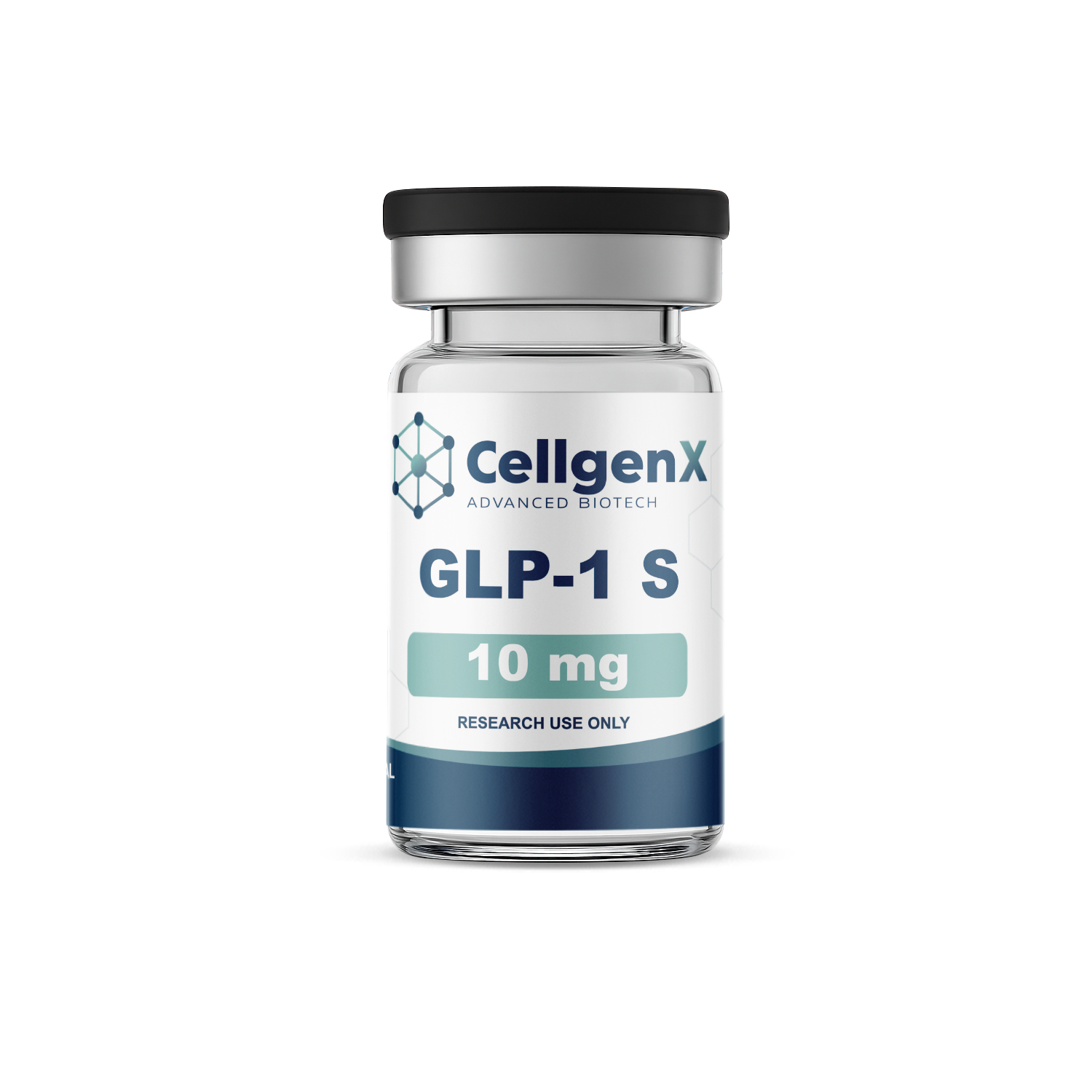
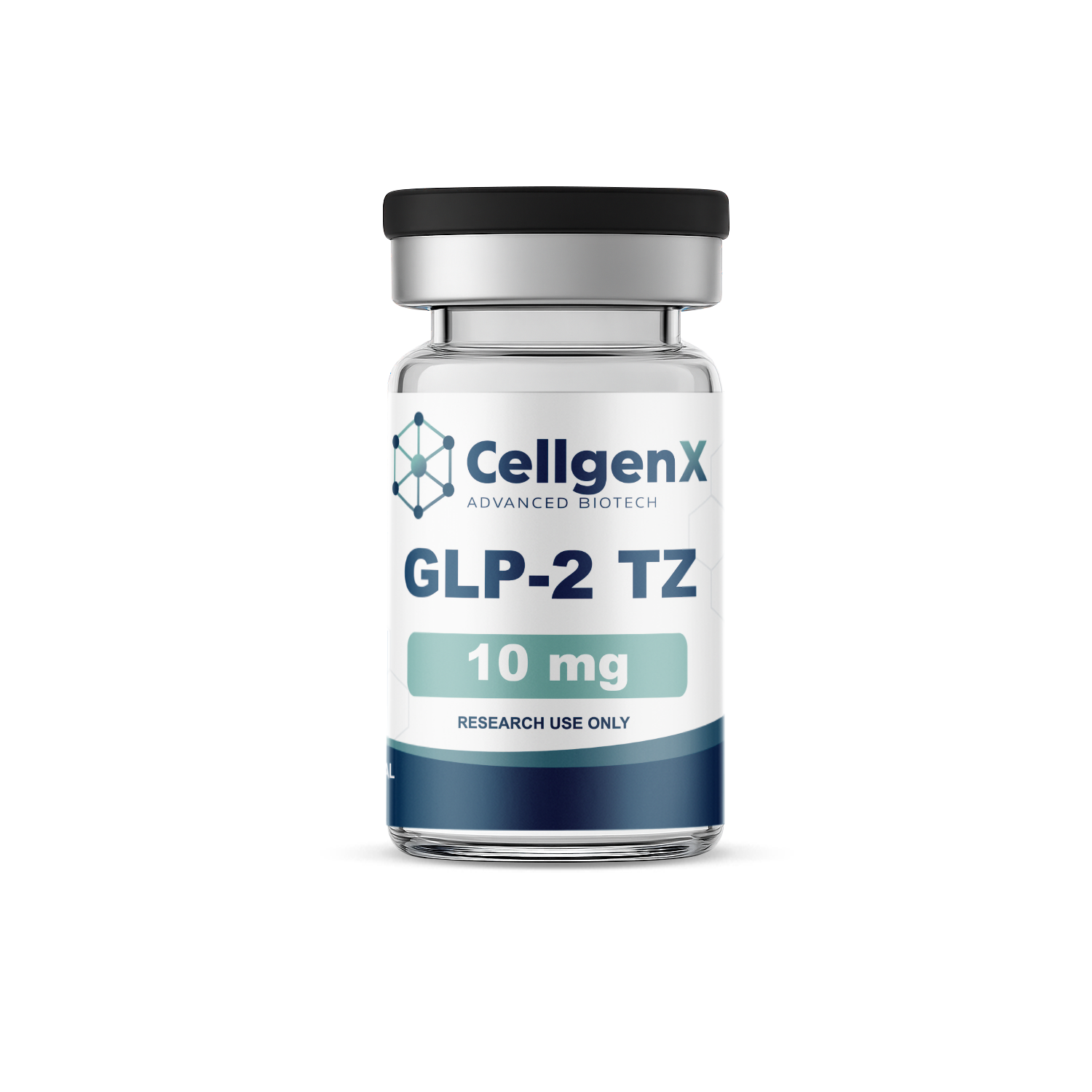

Research catalogs contain names, abbreviations, quantities and different formats. To interpret this information, it helps to start with a basic question: what a peptide is and which information actually identifies the material you are looking for.
A chain of amino acids
A peptide is a short chain of amino acids joined by peptide bonds. Proteins consist of one or more polypeptide chains. This description helps explain their relationship, although a general definition alone does not describe the properties of a specific product. Source: NHGRI glossary.
The name is the starting point
A listing's name helps you find a product. To work with it, the laboratory must also verify its identity and the technical information relevant to the project. Do not assume that two products are equivalent because their names are similar or their labels show a similar quantity.
When preparing a question for a supplier, note the exact name, format and catalog identifier. If the protocol requires a particular sequence, modification or chemical form, include it in your inquiry and request documentary confirmation.
Reading a listing systematically
- Identify the full name rather than relying only on an abbreviation.
- Check the stated quantity and its unit.
- Record the SKU to distinguish the commercial format.
- Review the declared use and available technical information.
An incomplete listing raises questions that should be resolved before selecting a material. This review separates what is known from what still needs confirmation and creates a useful record for purchasing and receiving.
The CellgenX context
The CellgenX catalog presents materials intended exclusively for research. You can browse the available formats in the shop and ask questions about a specific reference through Contact. The products are not for human or veterinary use.